

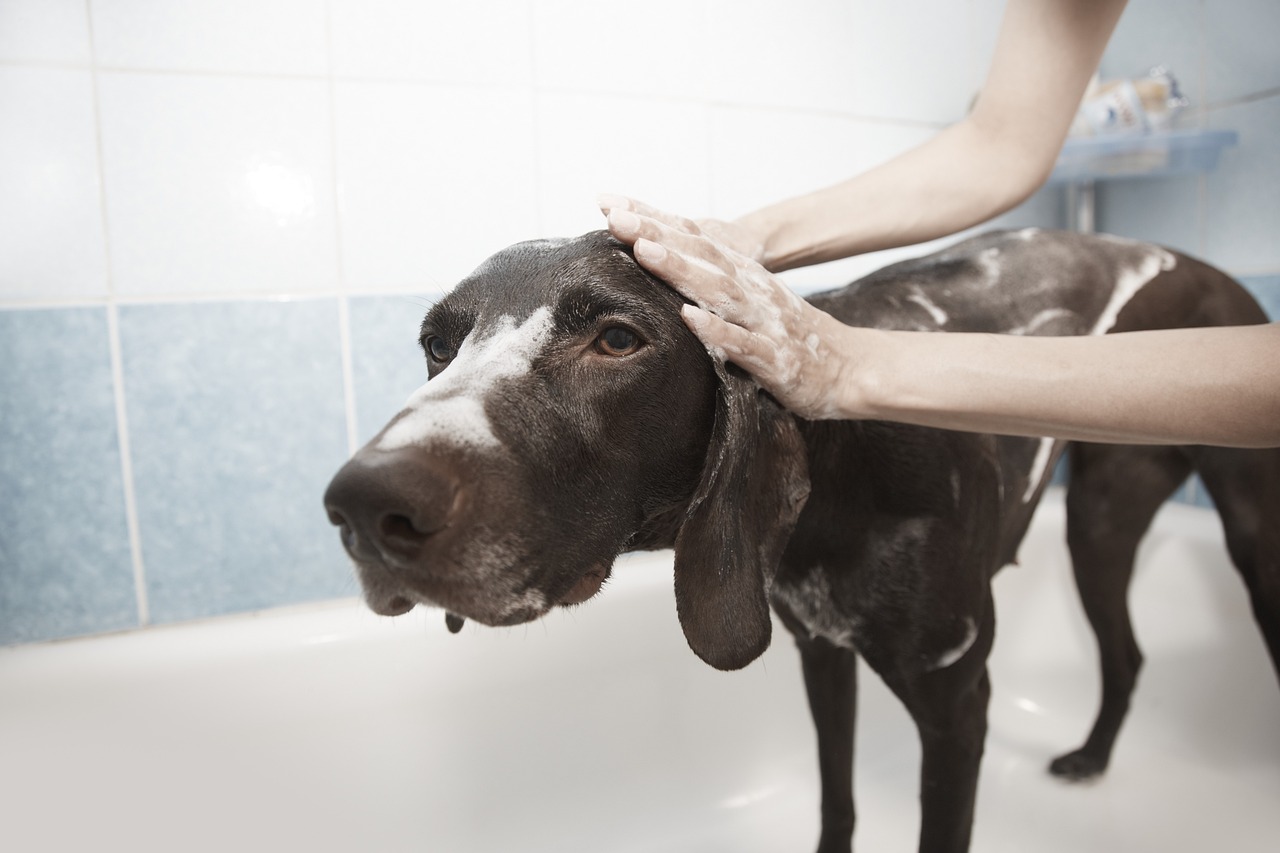
Bathing your dog is an essential aspect of maintaining their hygiene and overall health. While it might seem like a simple task, ensuring that your dog is bathed properly requires knowledge, patience, and the right tools. This ultimate dog bathing guide will provide you with everything you need to know to keep your furry friend clean, healthy, and happy.
Understanding Your Dog’s Bathing Needs
Before you start bathing your dog, it’s crucial to understand their specific needs. Different breeds and individual dogs have varying requirements based on their coat type, skin condition, and lifestyle.
Coat Type
Dogs can have short, long, curly, or wiry coats, each requiring different grooming techniques. Short-haired dogs might need less frequent baths, while long-haired breeds often require more regular grooming to prevent mats and tangles.
Skin Sensitivity
Some dogs have sensitive skin and may require special shampoos or less frequent baths to avoid irritation. Knowing your dog’s skin condition will help you choose the right products and bathing schedule.
Lifestyle and Activity Level
A dog’s lifestyle greatly affects how often they need a bath. Active dogs that spend a lot of time outdoors might need more frequent baths than those who primarily stay indoors.
Preparing for the Bath
Preparation is key to making the bathing process as smooth and stress-free as possible for both you and your dog.
Gathering Supplies
Ensure you have all necessary supplies ready before you begin. This includes dog-friendly shampoo and conditioner, a brush, towels, a non-slip mat, and a detachable showerhead or a cup for rinsing.
Setting Up the Bathing Area
Choose a location that suits your dog’s size and comfort, whether it’s a bathtub, a shower, or an outdoor space. Make sure it’s safe and comfortable, with a non-slip surface to prevent accidents.
The Bathing Process
Following a structured bathing process will help ensure that your dog is thoroughly cleaned and comfortable throughout.
Brushing Before Bathing
Always brush your dog’s coat before a bath to remove loose hair, dirt, and tangles. This step is particularly important for long-haired breeds to prevent matting.
Wet Your Dog Thoroughly
Using lukewarm water, wet your dog’s coat completely. Be cautious around their face and ears, ensuring water doesn’t get into their eyes or ear canals.
Apply Shampoo
Use a dog-specific shampoo, as human shampoos can be too harsh for their skin. Lather the shampoo evenly across your dog’s body, paying special attention to areas that accumulate dirt, like the paws and underbelly.
Rinse Thoroughly
Rinsing is crucial to remove all shampoo residue, which can irritate your dog’s skin. Use a detachable showerhead or a cup to ensure all soap is washed away.
Condition (if necessary)
For dogs with longer coats, using a conditioner can help keep their fur soft and tangle-free. Apply it after rinsing the shampoo and rinse thoroughly again.
Dry Your Dog
After bathing, gently towel-dry your dog to remove excess water. You can also use a blow dryer on a low heat setting, keeping it at a safe distance from their skin.
Maintaining Hygiene Between Baths
Bathing shouldn’t be the only grooming practice. There are several ways to maintain your dog’s hygiene between baths.
Regular Brushing
Brush your dog regularly to remove dirt, distribute natural oils, and prevent tangles. This is especially important for dogs with long or double coats.
Cleaning Ears
Check and clean your dog’s ears regularly with a vet-recommended solution to prevent infections. Avoid using cotton swabs, as they can damage the ear canal.
Dental Hygiene
Brushing your dog’s teeth or providing dental chews can help maintain good oral health, preventing bad breath and dental diseases.
Dealing with Bath-Time Anxiety
Some dogs may experience anxiety during baths, making it crucial to create a calm and reassuring environment.
Positive Reinforcement
Use treats and praise to reward your dog during and after the bath. This helps create a positive association with the bathing process.
Gradual Introduction
If your dog is new to bathing, introduce them gradually. Start with short sessions and progressively increase the duration as they become more comfortable.
When to Seek Professional Help
While regular home baths are essential, there are times when professional grooming might be necessary.
Dealing with Difficult Coats
Breeds with challenging coats, such as Poodles or Shih Tzus, might benefit from professional grooming to ensure their coat is properly maintained.
Skin Conditions
If your dog has a skin condition or allergies, a professional groomer can provide specialized care and recommend appropriate products.
Conclusion
Maintaining your dog’s hygiene through regular baths is a vital part of pet ownership. By understanding your dog’s specific needs, preparing adequately, and following a structured bathing process, you can ensure they remain clean and healthy. Remember, the key is to create a positive experience for your dog, making bath time an enjoyable routine rather than a dreaded chore. With patience and practice, you’ll become adept at keeping your furry friend in perfect hygiene.
#ChatGPT assisted in the creation of this article.