

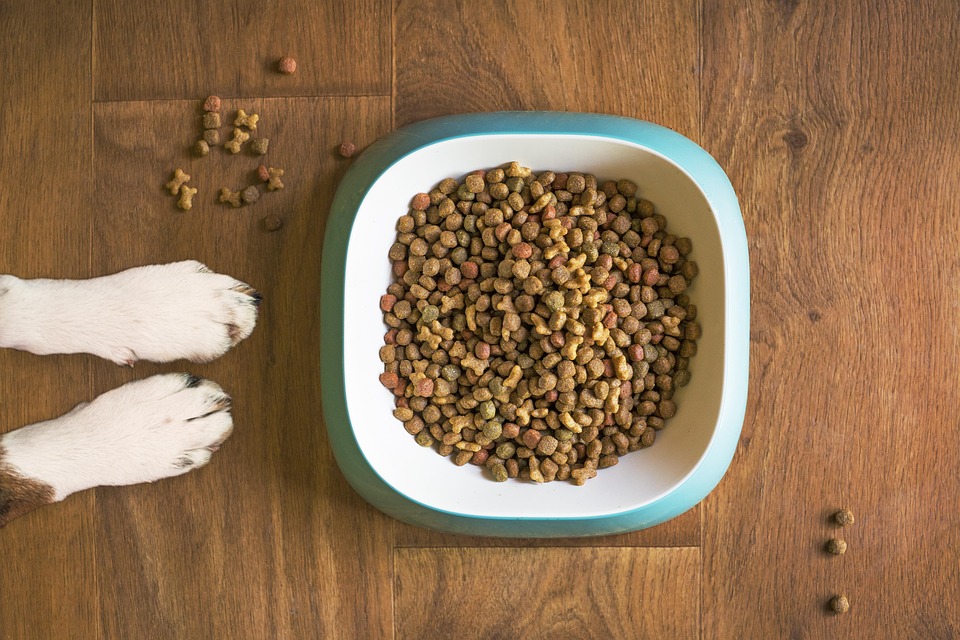
The pet food industry has seen a significant shift in recent years, with grain-free dog food gaining popularity among pet owners. This trend stems from a desire to provide pets with a diet that more closely resembles what their ancestors might have consumed in the wild. Grain-free dog food typically excludes wheat, corn, rice, and other grains, focusing instead on protein-rich and easily digestible ingredients. This article explores the top benefits of grain-free dog food, offering insights into why many pet owners are making the switch.
Understanding Grain-Free Dog Food
Before delving into the benefits, it’s essential to understand what grain-free dog food is. While grains like wheat, corn, and soy have been staples in many traditional dog foods, grain-free options replace these with alternative sources of carbohydrates such as sweet potatoes, peas, or lentils. These foods aim to mimic a dog’s ancestral diet, emphasizing proteins and fats over carbohydrates.
1. Improved Digestion
One of the primary benefits of grain-free dog food is improved digestion. Many dogs have difficulty digesting grains, which can lead to gastrointestinal issues such as bloating, gas, and diarrhea. Grain-free diets often feature easily digestible ingredients like sweet potatoes or pumpkin, which can help maintain a healthy digestive system.
Reducing Food Sensitivities
Some dogs have specific sensitivities or allergies to grains, particularly wheat and corn. These sensitivities can manifest as skin irritations, itching, or digestive problems. Switching to a grain-free diet can help alleviate these symptoms by eliminating the allergens and focusing on ingredients that are less likely to cause reactions.
2. Increased Energy Levels
Grain-free dog foods are typically higher in protein and fat, providing a more concentrated source of energy for dogs. Protein is a vital nutrient for dogs, supporting muscle development and maintenance. Fats are also crucial as they provide essential fatty acids needed for energy and overall health.
Supporting Active Lifestyles
For dogs with active lifestyles, such as working dogs or those participating in agility sports, a grain-free diet can offer the necessary energy boost. The higher protein content helps build and repair muscles, while the fats offer sustained energy throughout the day.
3. Healthier Coat and Skin
The quality of a dog’s coat and skin is often directly related to their diet. Grain-free dog foods often contain omega-3 and omega-6 fatty acids, essential for maintaining a healthy, shiny coat and healthy skin. These fatty acids help reduce inflammation and can alleviate skin issues such as dryness or itching.
Omega Fatty Acids
Many grain-free dog foods include sources of omega fatty acids, such as fish oil or flaxseed. These ingredients not only improve coat condition but also support overall health, including joint and heart health.
4. Weight Management
Obesity is a common issue among dogs, leading to various health problems such as diabetes, heart disease, and joint issues. Grain-free dog food can aid in weight management because it often contains fewer carbohydrates and more protein, promoting lean muscle mass and reducing fat accumulation.
Portion Control and Satiety
High-protein diets can help dogs feel fuller for longer, reducing the urge to overeat. This satiety can be particularly beneficial for dogs prone to weight gain, helping them maintain a healthy weight over time.
5. Enhanced Immune System
A robust immune system is crucial for a dog’s overall health and longevity. Grain-free dog foods often include fruits and vegetables rich in antioxidants, vitamins, and minerals that support immune function. Ingredients like blueberries, spinach, and carrots provide essential nutrients that help maintain a strong immune system.
Natural Antioxidants
Antioxidants play a vital role in neutralizing free radicals in the body, which can cause cellular damage and contribute to aging and disease. By providing a diet rich in natural antioxidants, grain-free dog food can help support a dog’s immune defenses.
6. Reduced Risk of Allergies
Food allergies in dogs can lead to various symptoms, including skin irritation, ear infections, and gastrointestinal issues. Grain-free diets minimize the risk of allergies by eliminating common allergens like wheat and corn. Instead, they focus on novel protein sources such as duck or venison, reducing the likelihood of allergic reactions.
Identifying the Right Diet
When transitioning to a grain-free diet, it’s essential to monitor your dog for any changes in behavior or health. Consulting with a veterinarian can help ensure the chosen diet is appropriate for your dog’s specific needs and health conditions.
7. Better Dental Health
Grain-free dog foods often contain fewer carbohydrates, which can reduce tartar and plaque buildup on a dog’s teeth. High-carbohydrate diets can contribute to dental issues, as sugars from the carbs feed bacteria in the mouth. By reducing carb intake, grain-free diets can help maintain better dental health.
Chewing and Oral Hygiene
Additionally, many grain-free foods come in kibble form with a crunchy texture, promoting chewing and helping to clean teeth. This mechanical action can further support oral hygiene and reduce the risk of dental diseases.
8. Tailored Nutrition
Grain-free dog foods often offer more tailored nutritional profiles, catering to specific life stages, sizes, and health conditions. This customization allows pet owners to select a diet that meets their dog’s unique nutritional requirements, from puppies to senior dogs.
Life Stage and Breed Considerations
Puppies, adult dogs, and seniors have different nutritional needs, and grain-free options often provide formulations designed to meet these varying requirements. Additionally, some brands offer breed-specific diets, ensuring that dogs receive the nutrients they need for optimal health.
Conclusion
Grain-free dog food offers numerous benefits, from improved digestion and increased energy levels to healthier coats and better dental health. While not every dog requires a grain-free diet, it can be a beneficial option for those with specific health issues or dietary sensitivities. As always, it’s crucial to consult with a veterinarian before making significant changes to your dog’s diet to ensure it aligns with their health needs. By understanding the advantages of grain-free dog food, pet owners can make informed decisions to enhance their furry friend’s well-being and quality of life.
#ChatGPT assisted in the creation of this article.