

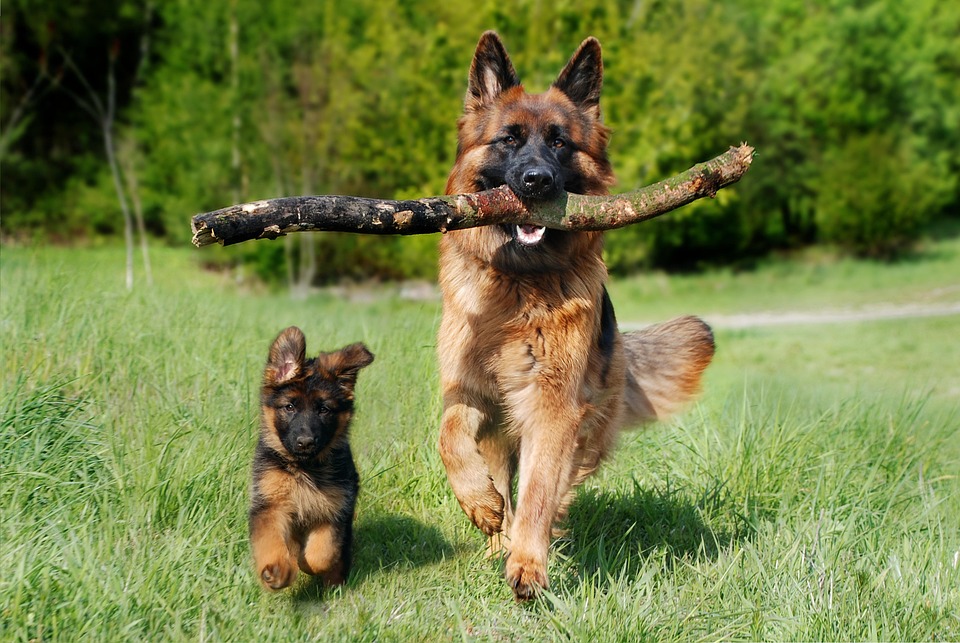
Ensuring your dog’s health and happiness is a priority for any pet owner. A crucial aspect of this care is regular exercise, which not only keeps your dog physically fit but also mentally stimulated and emotionally balanced. In this article, we’ll delve into essential exercise tips to help maximize your dog’s health and well-being. Whether you have a playful puppy or a senior dog, these insights will guide you in tailoring a suitable exercise routine for your furry friend.
Understanding Your Dog’s Exercise Needs
Dogs, like humans, have varying exercise requirements depending on their breed, age, size, and overall health. Understanding these needs is the first step towards establishing an effective exercise routine.
Breed-Specific Requirements
Certain breeds are naturally more energetic and require more exercise than others. For instance, breeds like Border Collies, Labrador Retrievers, and Australian Shepherds are known for their high energy levels and need ample physical activity. On the other hand, breeds like Bulldogs and Basset Hounds are relatively more laid-back and may require less intensive exercise routines.
Age Considerations
Age is another critical factor in determining your dog’s exercise needs. Puppies are full of energy and require frequent play sessions throughout the day to help them burn off excess energy and promote healthy growth. Adult dogs generally benefit from a consistent daily exercise routine, while senior dogs might need shorter, gentler sessions to accommodate their aging bodies.
Health and Size Factors
Consider your dog’s health status and size when planning their exercise. Dogs with health issues such as arthritis or obesity may need modified exercise routines to prevent strain or injury. Similarly, smaller breeds may require less intensive workouts compared to their larger counterparts.
Benefits of Regular Exercise for Dogs
Regular exercise offers a multitude of benefits for your dog, contributing to their overall health and longevity.
Physical Health Benefits
Exercise helps maintain a healthy weight, reducing the risk of obesity-related diseases such as diabetes and heart disease. It also strengthens muscles, improves cardiovascular health, and enhances flexibility and joint health.
Mental Stimulation
Exercise isn’t just about physical activity; it’s a powerful tool for mental stimulation. Engaging in activities such as fetch, agility training, or interactive play challenges your dog’s mind, reducing the risk of boredom and destructive behaviors.
Emotional Well-being
Regular exercise can significantly improve your dog’s emotional well-being. Physical activity releases endorphins, which help reduce stress and anxiety. A well-exercised dog is typically happier and more relaxed, leading to a stronger bond between you and your pet.
Creating an Effective Exercise Routine
Designing a comprehensive exercise routine for your dog requires a thoughtful approach, taking into account their unique needs and preferences.
Daily Walks
Walks are a staple in any dog’s exercise routine. They provide an opportunity for physical activity, mental stimulation, and social interaction. Aim for at least 30 minutes to an hour of walking each day, adjusting the duration based on your dog’s specific needs.
Interactive Play
Interactive play sessions, such as fetch, tug-of-war, or hide-and-seek, are excellent ways to engage your dog both physically and mentally. These activities can be tailored to suit your dog’s preferences and energy levels, ensuring they remain engaged and satisfied.
Agility and Obedience Training
Agility courses and obedience training not only provide physical exercise but also challenge your dog’s mind. These activities enhance their problem-solving skills, boost their confidence, and strengthen the bond between you and your dog through teamwork and communication.
Swimming
Swimming is an excellent low-impact exercise option, particularly for dogs with joint issues or those recovering from injuries. It provides a full-body workout without putting undue stress on their joints, making it a versatile addition to any exercise routine.
Safety Tips for Exercising Your Dog
While exercise is essential, it’s important to prioritize your dog’s safety during physical activities.
Monitor Weather Conditions
Extreme weather conditions can pose risks to your dog’s health. During hot weather, exercise your dog during cooler parts of the day and ensure they have access to water and shade. In cold weather, consider protective clothing and limit time outdoors to prevent hypothermia.
Recognize Signs of Overexertion
Be attentive to signs of overexertion, such as excessive panting, limping, or reluctance to continue. If you notice any of these signs, allow your dog to rest and recover. Pushing them too hard can lead to injuries or exhaustion.
Use Appropriate Gear
Ensure your dog wears a well-fitting collar or harness and a sturdy leash during walks and outdoor activities. This not only provides control but also keeps them safe in potentially hazardous environments.
Consult Your Veterinarian
Before starting any new exercise regimen, consult your veterinarian, especially if your dog has health concerns. They can provide personalized recommendations and address any specific needs or limitations your dog may have.
Incorporating Variety and Fun
To keep your dog’s exercise routine engaging and enjoyable, incorporate variety and fun into their physical activities.
Explore New Environments
Changing up your walking routes or visiting new parks can provide fresh sights and smells for your dog, keeping them mentally stimulated. New environments offer opportunities for socialization and exploration, adding excitement to their routine.
Join Dog Sports or Classes
Consider enrolling your dog in sports or classes such as agility, flyball, or obedience training. These activities provide structured exercise and a chance to learn new skills, all while fostering social interactions with other dogs and their owners.
Use Toys and Puzzles
Incorporate toys and puzzles into your dog’s playtime to challenge their problem-solving abilities. Puzzle toys that dispense treats or require manipulation can keep your dog engaged and mentally sharp.
Conclusion
Maximizing your dog’s health through exercise is a rewarding endeavor that benefits both you and your furry companion. By understanding their unique needs, creating a tailored exercise routine, and prioritizing safety and variety, you can ensure your dog leads a healthy, happy, and fulfilling life. Remember, the key to successful exercise is consistency and attentiveness to your dog’s well-being. With these essential exercise tips, you’ll be well-equipped to support your dog’s physical, mental, and emotional health for years to come.
#ChatGPT assisted in the creation of this article.