

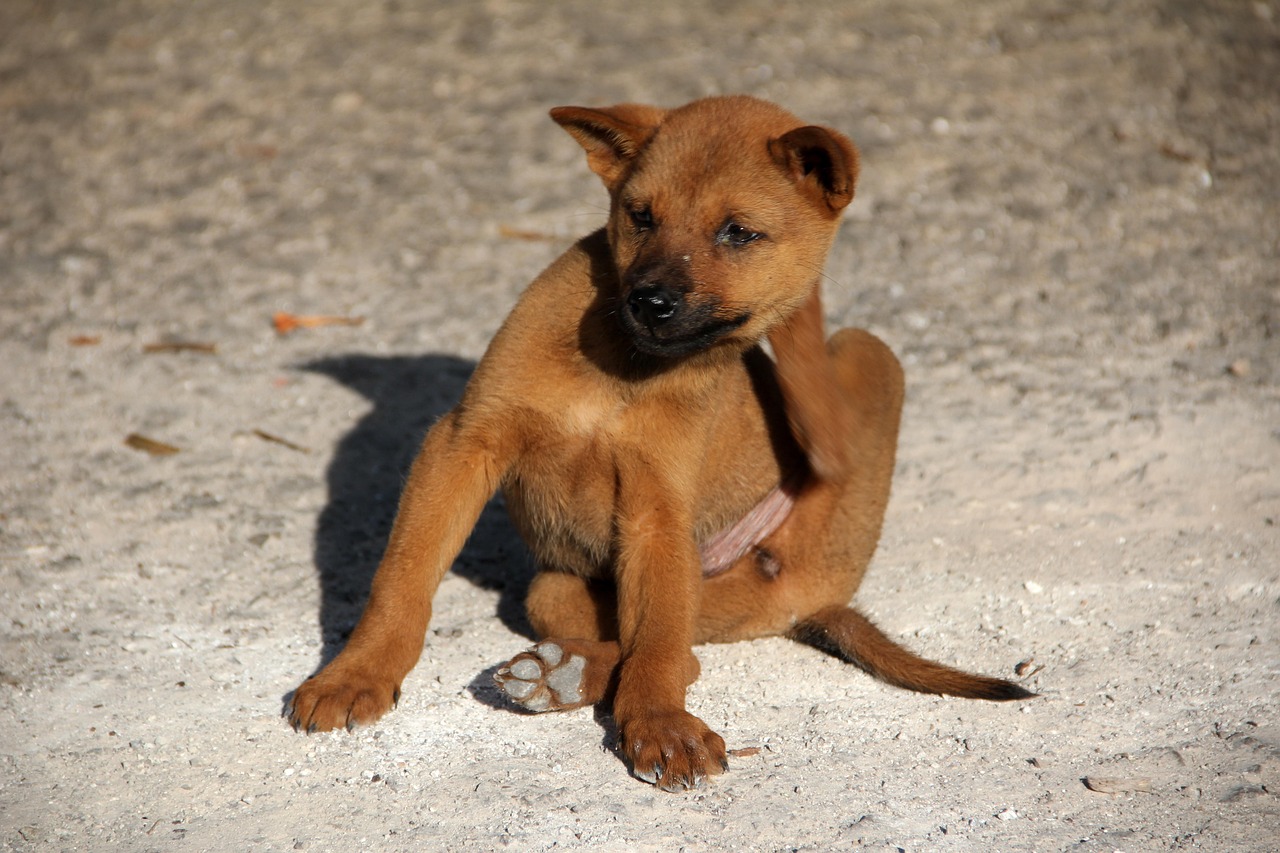
Fleas and ticks are not just a nuisance for dogs; they can pose significant health risks if not properly managed. These tiny parasites can lead to serious conditions such as Lyme disease, tapeworms, and flea allergy dermatitis. To protect your furry friend and ensure their well-being, effective prevention measures are essential. This article provides comprehensive tips on preventing fleas and ticks in dogs, focusing on grooming, environmental control, and preventive products.
Understanding Fleas and Ticks
To effectively combat fleas and ticks, it’s crucial to understand their lifecycle and how they affect your dog. Fleas are small, wingless insects that feed on the blood of animals, while ticks are arachnids that also depend on blood meals to survive. Both pests thrive in warm, humid environments and are most active during the spring and summer months.
Regular Grooming and Inspection
Bathing Your Dog
Regular bathing is a fundamental aspect of flea and tick prevention. Use a veterinarian-recommended flea and tick shampoo to kill any existing pests and deter new ones from settling on your dog’s coat. Bathing frequency depends on your dog’s lifestyle and coat type, but generally, once a month is a good starting point. Ensure you rinse thoroughly to remove all shampoo residues.
Brushing Your Dog
Brushing your dog’s coat regularly not only keeps their fur healthy and free of mats but also helps in spotting fleas and ticks early. Use a fine-toothed flea comb to remove fleas and their eggs. Pay special attention to areas where fleas and ticks are likely to hide, such as behind the ears, under the legs, and around the tail.
Environmental Control
Maintaining a Clean Living Environment
Fleas and ticks can thrive in your home environment if not properly managed. Vacuum your home frequently, especially areas where your dog spends the most time. Wash your dog’s bedding regularly in hot water to kill any eggs or larvae, and consider using pet-safe insecticides in your home and yard.
Yard Maintenance
Ticks and fleas often hitch a ride on your dog from the outdoors. Keep your yard tidy by mowing the lawn regularly, trimming shrubs, and removing leaf litter where ticks can hide. Consider using natural tick-repellent plants like lavender, rosemary, and marigolds to deter pests.
Preventive Products
Topical Treatments
Topical treatments are applied directly to your dog’s skin, usually on the back of the neck, and offer protection against fleas and ticks. These treatments can be effective for up to a month and are a convenient option for many pet owners. Be sure to follow the instructions carefully and choose a product suitable for your dog’s age, size, and health condition.
Oral Medications
Oral medications are another effective preventive measure. These are given to your dog in pill form and work by killing fleas and ticks when they bite your dog. Oral treatments can be a great option for dogs that swim frequently, as they are not washed off like topical treatments.
Collars
Flea and tick collars are impregnated with insecticides that slowly release over time, providing long-lasting protection. Collars can be particularly useful for dogs that spend a lot of time outdoors. Ensure the collar fits properly and check regularly for any signs of irritation.
Natural Remedies
Essential Oils
Some essential oils, such as lavender, peppermint, and eucalyptus, are natural flea and tick repellents. These oils can be diluted with water and sprayed onto your dog’s coat, but always consult with your veterinarian before using them to ensure they are safe for your dog.
Apple Cider Vinegar
Apple cider vinegar is a popular natural remedy that can help repel fleas and ticks. You can create a solution of equal parts water and apple cider vinegar and spray it lightly onto your dog’s coat. Be mindful to avoid any open wounds or sensitive areas, as vinegar can sting.
Regular Veterinary Check-Ups
Regular veterinary check-ups are essential for maintaining your dog’s overall health and catching any flea or tick-related issues early. Your vet can recommend the most effective products and provide guidance tailored to your dog’s specific needs and lifestyle.
Conclusion
Effective flea and tick prevention is a multifaceted approach that involves regular grooming, environmental control, and the use of preventive products. By staying vigilant and proactive, you can protect your dog from these harmful pests and ensure they lead a healthy, happy life. Remember, every dog is unique, so consult with your veterinarian to develop a personalized prevention plan that suits your pet’s needs.
#ChatGPT assisted in the creation of this article.