

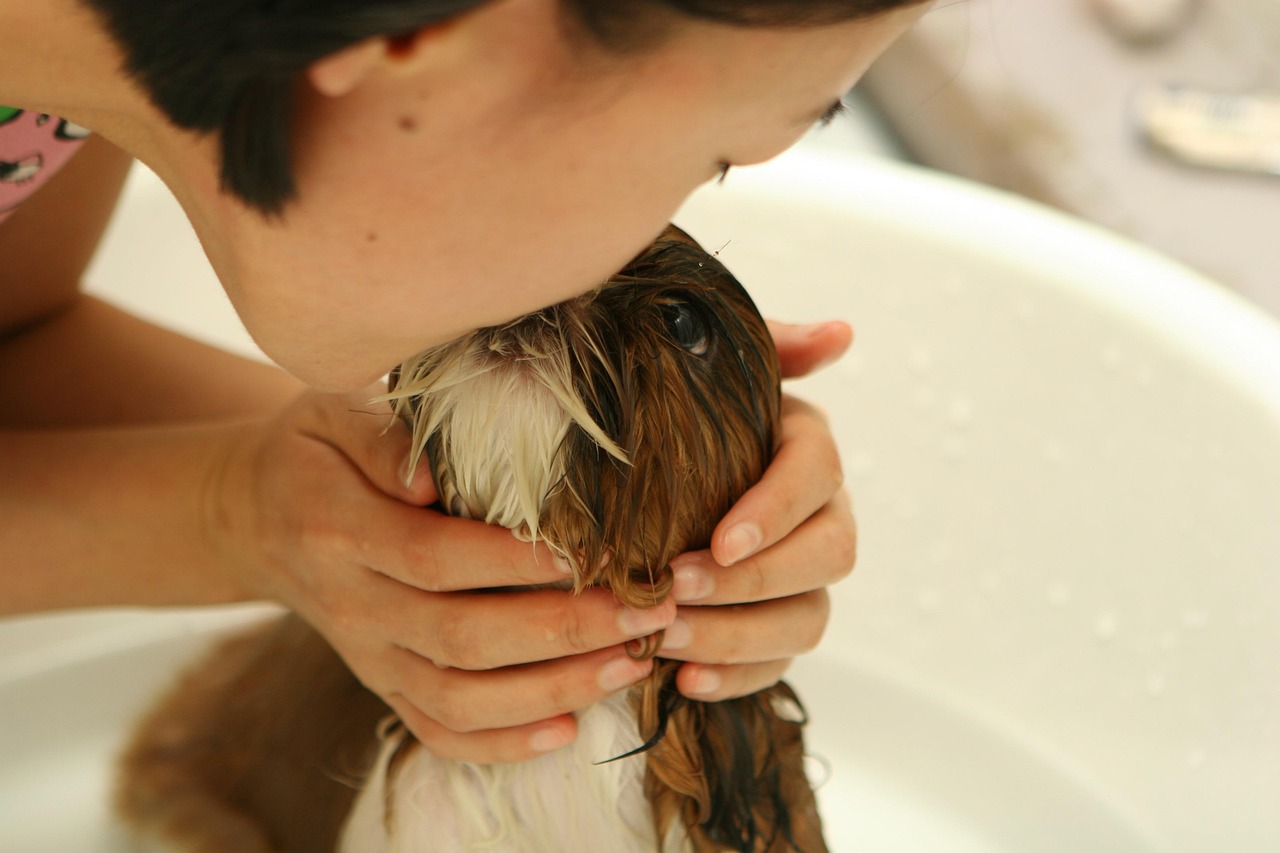
Dog grooming is an essential aspect of pet care, contributing to your dog’s overall health and well-being. While professional grooming services are widely available, mastering the art of grooming your dog at home can save you time and money, and enhance the bond between you and your furry friend. In this comprehensive guide, we will explore expert tips for grooming your dog at home, discussing everything from essential tools to specific grooming techniques.
Understanding Your Dog’s Grooming Needs
Every dog is unique, and their grooming needs can vary based on breed, age, health, and lifestyle. Understanding these needs is the first step in mastering at-home grooming. For instance, long-haired breeds like Shih Tzus require more frequent grooming compared to short-haired breeds such as Beagles. Additionally, active dogs who spend a lot of time outdoors may require more frequent baths and fur checks for ticks and fleas.
Essential Grooming Tools
Before you begin grooming your dog at home, it’s important to invest in the right tools. High-quality grooming tools not only make the process easier but also ensure the safety and comfort of your dog.
Brushes and Combs
Depending on your dog’s coat type, you might need different types of brushes and combs. A slicker brush is ideal for removing tangles and loose fur, especially in long-haired breeds. A bristle brush works well for short-haired dogs to remove dirt and distribute natural oils.
Clippers and Scissors
Investing in a good pair of clippers can make trimming your dog’s coat easier and more precise. Ensure the clippers are specifically designed for pet grooming. Additionally, grooming scissors with rounded tips are useful for trimming hair around sensitive areas.
Nail Clippers
Keeping your dog’s nails trimmed is crucial for their comfort and mobility. Use a pair of nail clippers designed for dogs, and consider a nail grinder for a smoother finish.
Shampoo and Conditioner
Choose a dog-specific shampoo and conditioner that suits your dog’s skin type. Hypoallergenic or oatmeal-based shampoos are ideal for dogs with sensitive skin.
Step-by-Step Grooming Process
Grooming your dog at home can be a straightforward process if you follow these expert-recommended steps.
Brushing
Start by brushing your dog’s coat to remove loose fur, dirt, and tangles. Regular brushing also helps distribute natural oils across their coat, keeping it healthy and shiny. Be gentle and patient, especially if your dog has matted fur.
Bathing
Bathing your dog is an important part of their grooming routine, but it should not be done too frequently as it can strip their coat of natural oils. Use lukewarm water and dog-specific shampoo, thoroughly rinsing out all soap to avoid skin irritation. After bathing, dry your dog with a towel or a low-heat hairdryer.
Trimming Hair
Use clippers and scissors to trim your dog’s coat as needed. Pay special attention to areas where hair tends to grow quickly, such as around the eyes, ears, and paws. Always trim in the direction of hair growth to prevent pulling and discomfort.
Nail Care
Regular nail trimming is necessary to prevent overgrowth and splitting. Carefully trim each nail, avoiding the quick, which is the blood vessel inside the nail. If you’re new to nail trimming, consult your vet or a professional groomer for guidance.
Ear and Teeth Cleaning
Clean your dog’s ears with a veterinarian-recommended ear cleaner and cotton balls. Check for signs of infection such as redness or a foul smell. For dental care, brush your dog’s teeth with a dog-specific toothbrush and toothpaste to prevent plaque buildup and maintain oral health.
Addressing Common Grooming Challenges
At-home grooming can come with challenges, such as dealing with a nervous or uncooperative dog. Here are some tips to address these common issues.
Handling a Nervous Dog
If your dog is anxious about grooming, start by introducing them to the tools gradually. Use treats and positive reinforcement to create a positive association with grooming tools. Take breaks if your dog becomes too stressed, and try to maintain a calm and reassuring demeanor.
Dealing with Tangles and Mats
Tangles and mats can be uncomfortable for your dog and difficult to remove. Use a detangling spray and a slicker brush to gently work through knots. For severe matting, consider seeking professional grooming assistance to avoid causing pain or injury to your dog.
Conclusion
Mastering dog grooming at home requires patience, practice, and the right tools. By understanding your dog’s specific grooming needs and following expert-recommended techniques, you can maintain your dog’s coat health, ensure their comfort, and strengthen your bond. Regular grooming sessions are not only a practical necessity but also an opportunity for quality time with your beloved pet.
#ChatGPT assisted in the creation of this article.