

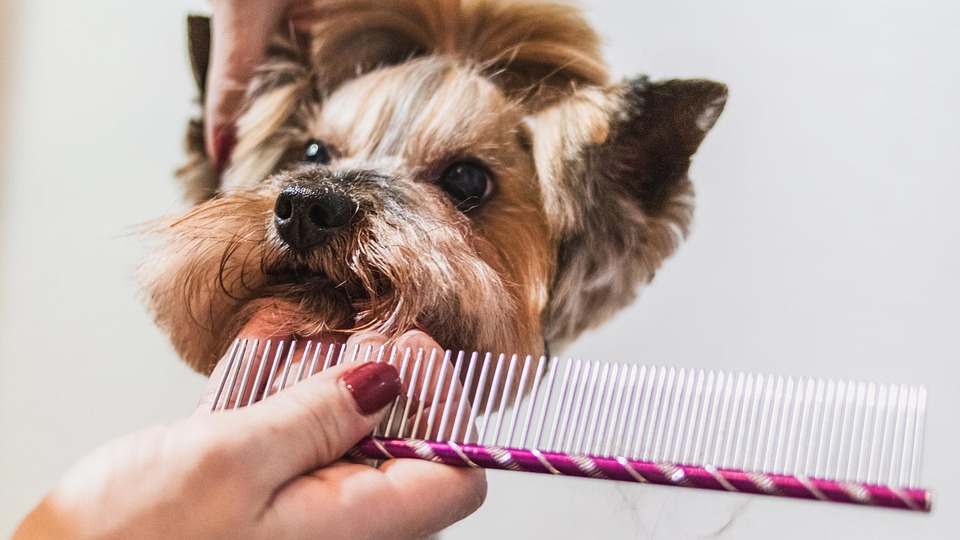
Professional dog grooming is not just about maintaining a dog’s aesthetic appeal; it’s also crucial for their health and well-being. Grooming helps prevent health issues, ensures cleanliness, and establishes a bond between the pet and the groomer. Whether you are a seasoned groomer or an aspiring one, understanding the intricacies of dog grooming can significantly enhance your skills. This comprehensive guide provides top tips for achieving expert-level dog grooming.
Understanding Different Breeds and Grooming Needs
Every dog breed has unique grooming needs. Recognizing these differences is fundamental to providing high-quality grooming services. For instance, breeds with long hair like Shih Tzus or Afghan Hounds require more frequent brushing to prevent matting, while short-haired breeds like Bulldogs need less frequent grooming.
Research and Education
Stay informed about the specific needs of different breeds. Participate in workshops, read breed-specific grooming guides, and engage with online forums or communities of professional groomers.
Customized Grooming Plans
Create customized grooming plans for each breed, taking into account their coat type, health needs, and owner preferences. This personalized approach will enhance the grooming experience for both the dog and the owner.
Utilizing the Right Tools
Professional grooming requires the right set of tools. Investing in high-quality, breed-specific tools can make a significant difference in the grooming process.
Brushes and Combs
Choose brushes and combs that suit the dog’s coat type. Slicker brushes are ideal for removing tangles and loose hair in long-haired breeds, whereas bristle brushes are better suited for short-haired breeds.
Clippers and Scissors
Invest in sharp, adjustable clippers for trimming and cutting. Different blade sizes are essential to cater to various coat lengths. Similarly, quality scissors are vital for precision work and finishing touches.
Maintaining a Calm Environment
A calm and stress-free environment is crucial for successful dog grooming. Dogs are sensitive to their surroundings, and a relaxed atmosphere can make the process smoother and more enjoyable.
Setting the Scene
Create a serene environment by playing soft music and eliminating loud noises. Additionally, ensure the grooming area is clean and organized to prevent any accidents or anxiety.
Gentle Handling
Handle dogs with care and patience. Use gentle, reassuring movements to help them feel secure. Building trust is essential, especially with dogs that may be nervous or unfamiliar with the grooming process.
Health Checks During Grooming
Grooming sessions are an excellent opportunity to perform health checks. Regular inspections can help identify potential health issues early, ensuring timely veterinary intervention.
Inspecting Ears, Eyes, and Teeth
Regularly check the dog’s ears for signs of infection, such as redness or an unpleasant odor. Clean their eyes gently to remove any discharge and examine their teeth for tartar buildup or gum issues.
Monitoring Skin and Coat
Examine the dog’s skin for any irritations, lumps, or parasites. A healthy coat should be shiny and free of tangles. Address any abnormalities promptly to maintain the dog’s health.
Bathing Techniques
Proper bathing techniques are essential for maintaining a dog’s hygiene and skin health. Understanding the right products and methods can significantly enhance the grooming process.
Choosing the Right Shampoo
Select shampoos that are appropriate for the dog’s skin type and coat condition. Hypoallergenic shampoos are ideal for dogs with sensitive skin, while medicated shampoos can address specific issues like dandruff or fleas.
Effective Bathing Practices
Ensure the water temperature is comfortable and rinse thoroughly to remove all shampoo residue. Dry the dog completely using towels and a pet-safe dryer to prevent any skin irritation or infections.
Trimming Nails Safely
Nail trimming is a crucial aspect of dog grooming that requires precision and care. Long nails can lead to discomfort and health issues if not properly managed.
Using the Right Tools
Invest in high-quality nail clippers or grinders specifically designed for dogs. These tools will make the trimming process easier and safer for both you and the dog.
Technique and Caution
Trim nails gradually to avoid cutting into the quick, which can cause pain and bleeding. If unsure, consult with a veterinarian or experienced groomer for guidance on proper nail trimming techniques.
Understanding Coat Maintenance
Maintaining a dog’s coat involves more than just brushing. Understanding the specific needs of different coat types is essential for effective grooming.
Regular Brushing
Establish a regular brushing routine to prevent mats and tangles. This routine should be tailored to the dog’s coat type and length. Regular brushing also helps distribute natural oils, promoting a healthy, shiny coat.
De-shedding Techniques
Use de-shedding tools and techniques to manage shedding, especially in double-coated breeds. Removing excess undercoat reduces shedding and helps maintain a neat appearance.
Grooming Safety and Hygiene
Safety and hygiene are paramount in professional dog grooming. Ensuring a clean and safe environment protects both the groomer and the dog.
Sanitizing Equipment
Regularly clean and sanitize grooming tools to prevent the spread of infections. Disinfecting clippers, brushes, and scissors after each use ensures the health and safety of all dogs in your care.
Personal Protective Equipment
Wear appropriate protective gear, such as gloves and aprons, to safeguard against bites, scratches, and exposure to chemicals. This practice not only protects you but also sets a professional standard in your grooming practice.
Continuous Learning and Improvement
The field of dog grooming is continually evolving. Staying updated with the latest techniques and trends ensures you provide the best care possible.
Attending Workshops and Seminars
Participate in workshops and seminars to learn new grooming techniques and stay informed about industry advancements. Networking with other professionals can also provide valuable insights and opportunities for growth.
Seeking Feedback
Encourage feedback from clients and use it constructively to improve your services. Listening to client concerns and suggestions demonstrates your commitment to excellence and customer satisfaction.
Building Client Relationships
Building strong relationships with clients and their pets is essential for a successful grooming business. Trust and communication are key components of these relationships.
Effective Communication
Communicate clearly with pet owners about their dog’s grooming needs and any health concerns you may notice. Keeping clients informed fosters trust and encourages repeat business.
Flexible Scheduling
Offer flexible scheduling options to accommodate clients’ busy lives. Providing convenient appointment times shows your dedication to customer service and satisfaction.
In conclusion, expert professional dog grooming requires a deep understanding of various breeds, the right tools, and techniques, as well as a commitment to safety and continuous learning. By implementing these top tips, groomers can provide exceptional care, ensuring that dogs are healthy, happy, and looking their best. A professional approach to dog grooming not only enhances the well-being of the dogs but also builds lasting relationships with clients, contributing to a successful grooming career.
#ChatGPT assisted in the creation of this article.