

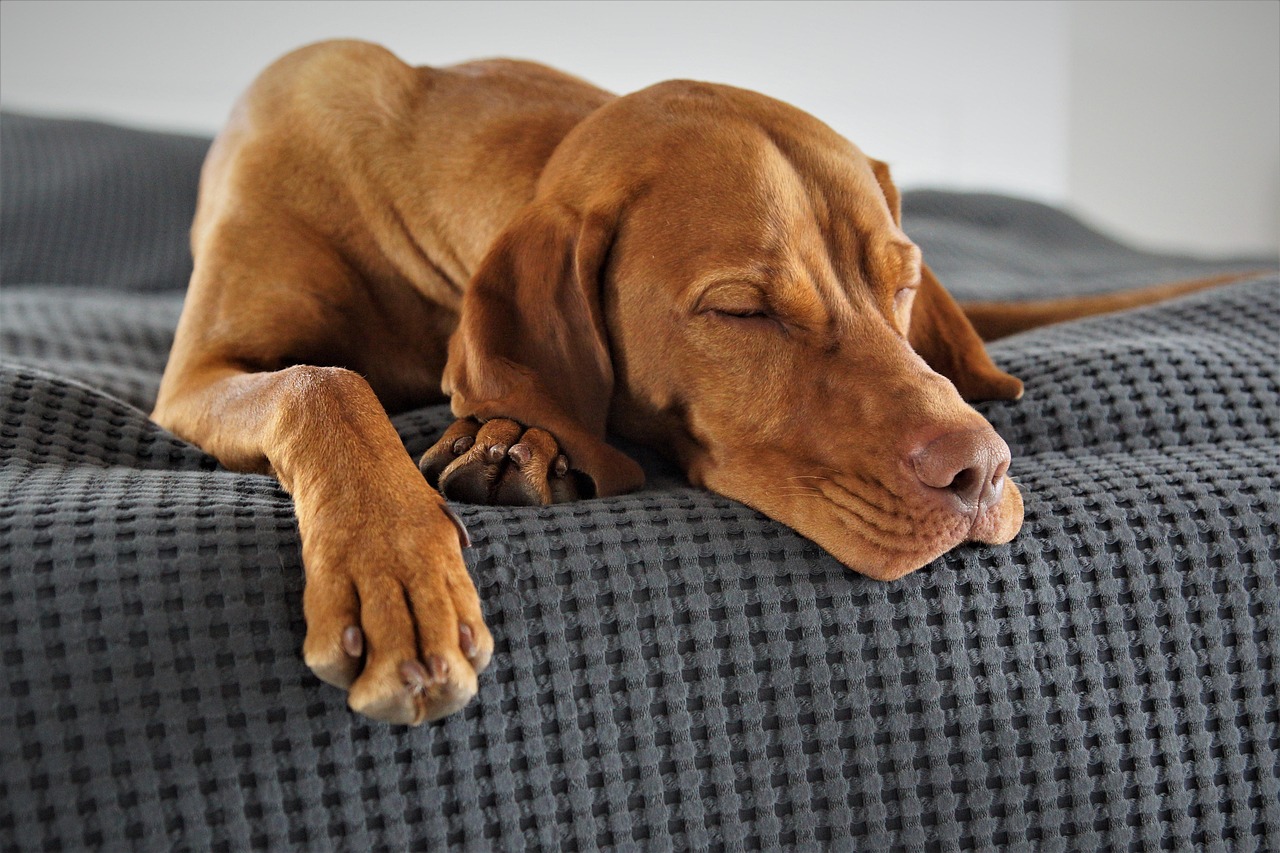
Sleep is a vital part of life, not just for humans but for our canine companions as well. Understanding dog sleep patterns can help pet owners ensure their dogs are getting the rest they need to stay healthy and happy. This article delves into the intricacies of dog sleep, exploring how it differs from human sleep, the stages of sleep dogs experience, and how to optimize your furry friend’s sleeping environment.
Understanding Dog Sleep: The Basics
Dogs, like humans, require sleep to maintain their health and wellbeing. However, the way dogs sleep differs significantly from human sleep patterns. On average, adult dogs sleep for 12 to 14 hours a day, while puppies and older dogs may sleep even more. This sleep is usually spread out in short naps throughout the day and night.
The Sleep Cycle: How Dogs Sleep
Dogs experience a sleep cycle similar to humans, consisting of multiple stages. However, their sleep cycles are shorter, typically lasting only about 20 minutes compared to the 70 to 90-minute cycles in humans. Here’s a closer look at the stages of a dog’s sleep cycle:
Light Sleep
The first stage of a dog’s sleep cycle is light sleep, where they are easily awakened and still somewhat aware of their surroundings. This stage is essential for maintaining alertness and ensuring that dogs can quickly respond to any potential threats.
Deep Sleep
During deep sleep, a dog’s body begins to relax, and physiological functions slow down significantly. This stage is crucial for physical recovery, as it allows the body to repair tissues and strengthen the immune system.
REM Sleep
Rapid Eye Movement (REM) sleep is the stage where dreaming occurs. Similar to humans, dogs experience REM sleep, which is characterized by rapid eye movements, increased brain activity, and sometimes twitching or vocalizing. REM sleep is vital for mental wellbeing and cognitive function, helping dogs process and store memories.
Factors Affecting Dog Sleep Patterns
Several factors can influence a dog’s sleep patterns, including age, breed, health, and lifestyle. Understanding these factors can help pet owners create an environment conducive to quality sleep for their dogs.
Breed Differences
Certain breeds are known for their distinctive sleep patterns. For instance, working breeds like Border Collies and German Shepherds may be more alert and require less sleep than more laid-back breeds like Bulldogs and Basset Hounds. It’s essential to consider your dog’s breed when evaluating their sleep needs.
Age and Sleep Needs
Puppies require significantly more sleep than adult dogs, often sleeping up to 18 to 20 hours a day. This extensive sleep aids in their rapid growth and development. As dogs age, their sleep patterns may change again, with older dogs often needing more rest due to decreased energy levels and potential health issues.
Health and Sleep
A dog’s health can significantly impact their sleep patterns. Dogs suffering from health issues such as arthritis, anxiety, or sleep apnea may experience disrupted sleep. Regular veterinary check-ups can help identify and manage health problems that might affect your dog’s rest.
Creating the Ideal Sleep Environment for Your Dog
Providing a comfortable and secure sleeping environment is crucial for ensuring your dog gets quality rest. Here are some tips to optimize your dog’s sleeping area:
Comfortable Bedding
Invest in a good quality dog bed that provides adequate support and comfort. Orthopedic beds can be particularly beneficial for older dogs or those with joint issues.
Quiet and Safe Space
Make sure your dog’s sleeping area is quiet and free from disturbances. This space should also be safe, away from any potential hazards that could cause injury while your dog is resting.
Consistent Routine
Establishing a consistent routine can help regulate your dog’s sleep patterns. Try to feed, walk, and let your dog rest at the same times each day. Consistency helps signal to your dog when it’s time to wind down and prepare for sleep.
Recognizing Sleep Disorders in Dogs
Just like humans, dogs can suffer from sleep disorders that affect their rest. Here are some common sleep disorders in dogs and signs to watch for:
Sleep Apnea
Sleep apnea is characterized by interrupted breathing during sleep. Dogs with sleep apnea might snore loudly, gasp for air, or exhibit restless sleep. If you suspect your dog has sleep apnea, it’s essential to consult with a veterinarian.
Insomnia
Though less common in dogs than in humans, insomnia can affect dogs due to stress, anxiety, or underlying health issues. Dogs with insomnia may have difficulty settling down or wake frequently during the night. Addressing the underlying cause is crucial for resolving insomnia in dogs.
Conclusion: Ensuring Your Dog’s Restful Sleep
Understanding and respecting your dog’s sleep patterns is a key component of responsible pet ownership. By recognizing the factors that affect your dog’s sleep and taking steps to provide an ideal sleeping environment, you can help ensure your furry friend gets the rest they need to thrive. Regular check-ups with a veterinarian can also help identify and manage any health issues that might disrupt your dog’s sleep. With the right care and attention, you can help your dog enjoy a lifetime of restful and restorative sleep.
#ChatGPT assisted in the creation of this article.