

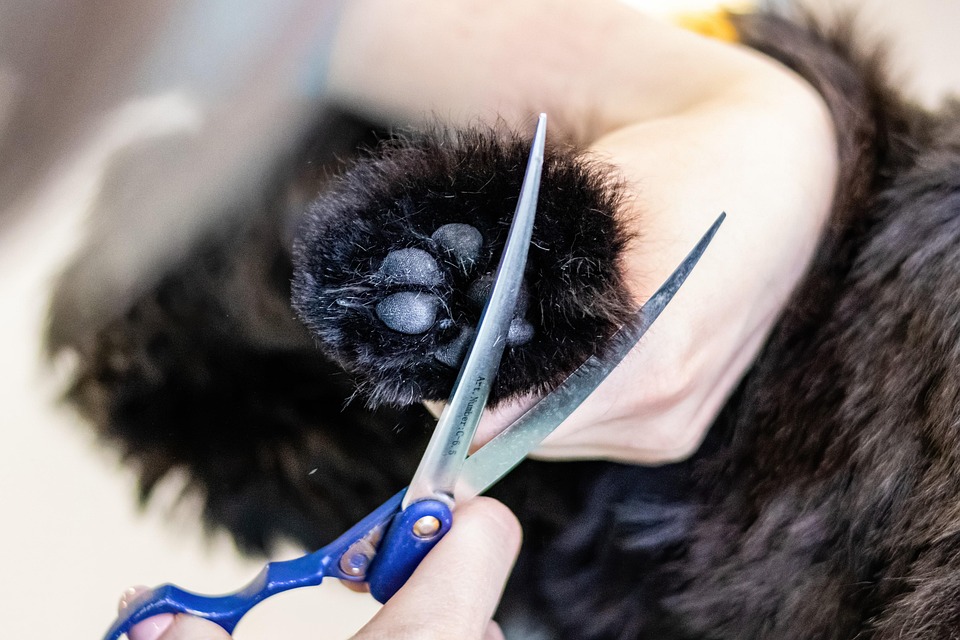
When it comes to dog care, paws are often overlooked despite being one of the most vital parts of a dog’s anatomy. Your dog’s paws are their contact point with the ground, supporting their weight and providing traction. They also serve as shock absorbers for joints and bones. Therefore, ensuring the health of your dog’s paws is crucial. This article will provide a comprehensive guide on essential dog paw care tips for healthy paws.
Understanding the Anatomy of a Dog’s Paw
Before delving into care tips, it’s important to understand the basic anatomy of a dog’s paw. A dog’s paw consists of several components, each playing a crucial role in its function:
- Paw Pads: These are the thick, rubbery parts of a dog’s paws that provide cushioning and protection.
- Claws: Also known as nails, they are essential for traction and digging.
- Dewclaws: These are the “thumbs” of a dog, usually found a little higher up on their legs.
- Digital Pads: These are the pads underneath each toe, providing additional cushioning.
Regular Paw Inspections
Regularly inspecting your dog’s paws is the cornerstone of effective paw care. Frequent checks can help you catch any anomalies early before they develop into more serious issues. Here’s what to look for during a paw inspection:
Inspect for Cuts and Scrapes
Dogs often walk on various surfaces which can sometimes cause cuts or scrapes. Examine the pads and in-between their toes for any signs of injury. If you spot a minor cut, clean it with antiseptic and monitor it for signs of infection.
Check for Foreign Objects
Small stones, thorns, or shards can get lodged in your dog’s paws, causing discomfort and injury. Carefully remove any foreign object you find and clean the area to prevent infections.
Monitor for Signs of Infection
Redness, swelling, or discharge in the paw area can indicate an infection. If these symptoms are present, consult with a veterinarian for proper treatment.
Keeping the Paws Clean
Hygiene is a key component of paw care. Dirty paws not only pose health risks to your dog but can also bring dirt and germs into your home. Follow these tips to keep your dog’s paws clean:
Regular Washing
Wash your dog’s paws with warm water and dog-friendly soap after walks, especially if they’ve walked on dirty or salted roads. This will help remove dirt and any harmful substances.
Use Wipes for Quick Clean-ups
For quick clean-ups, especially when you’re on the go, dog-safe wipes can be a convenient option to remove surface dirt and allergens.
Dry Thoroughly
After washing, ensure you dry your dog’s paws thoroughly, paying special attention to the areas between the toes. This helps prevent fungal infections that thrive in moist environments.
Nail and Claw Care
Proper nail care is crucial for your dog’s comfort and health. Overgrown nails can lead to pain and discomfort and can affect their gait. Here’s how to maintain your dog’s nails:
Regular Trimming
Trim your dog’s nails regularly using a dog nail clipper or grinder. Be cautious not to cut too close to the quick, the sensitive area containing blood vessels and nerves. If you’re unsure, seek guidance from a professional groomer.
File Sharp Edges
After trimming, use a nail file to smooth out any sharp edges. This will prevent the nails from snagging on surfaces or causing injury.
Monitor Dewclaws
Dewclaws can grow quite long if not regularly trimmed because they don’t make contact with the ground. Regularly check their length and trim as necessary.
Paw Pad Moisturization
Paw pads can become dry and cracked, especially in extreme weather conditions. Keeping them moisturized is essential for preventing discomfort and injury:
Use Paw Balms
Invest in a good-quality paw balm that is specifically designed for dogs. Apply it regularly to keep the pads supple and prevent cracking.
Protect Against Harsh Weather
In cold weather, snow and ice can lead to dry and cracked pads. In hot weather, pavements can become too hot, causing burns. Protect your dog’s paws by using booties or applying paw wax for thermal protection.
Exercise and Environmental Considerations
Exercise is important for a dog’s overall health, but certain environmental factors can affect their paw health:
Avoid Hot Pavements
During summer, avoid walking your dog on hot pavements. If it’s too hot for your hand, it’s too hot for their paws. Walk them early in the morning or late in the evening when temperatures are cooler.
Be Cautious with Salted Roads
In winter, roads and sidewalks are often salted to prevent ice. This salt can irritate and burn your dog’s paws. Rinse your dog’s paws after walks to remove salt and prevent irritation.
Choose Safe Walking Paths
Whenever possible, choose grassy or dirt paths over rocky or uneven terrain to prevent injuries to the paws.
Consulting a Veterinarian
While regular care and maintenance can prevent most paw-related issues, there may be times when professional intervention is necessary:
Persistent Issues
If you notice persistent issues such as limping, excessive licking of the paws, or visible pain, consult a veterinarian for a thorough examination.
Allergies
Some dogs may develop allergies that manifest through paw licking or biting. A vet can help diagnose and treat these allergies to provide relief for your dog.
Conclusion
Caring for your dog’s paws is an essential part of their overall health and wellbeing. By regularly inspecting, cleaning, and protecting their paws, you can prevent many common issues and ensure your furry friend remains happy and healthy. Remember that a proactive approach to paw care, combined with professional veterinary advice when needed, will keep your dog’s paws in optimal condition.
#ChatGPT assisted in the creation of this article.