

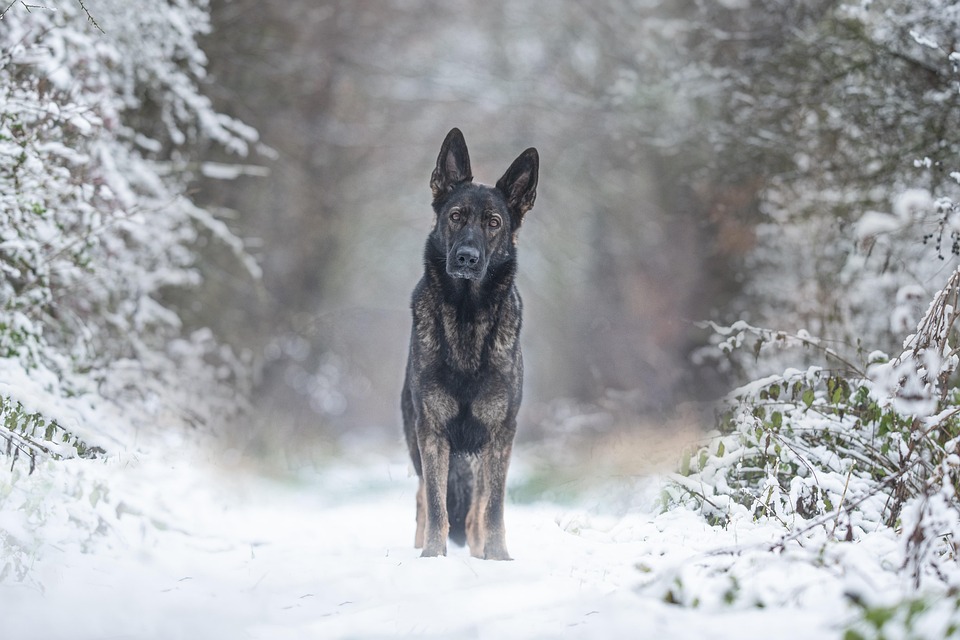
As winter approaches, dog owners need to adjust their pet care routines to ensure their furry friends remain healthy, comfortable, and happy during the colder months. While some dogs thrive in cooler weather, others may find the chill challenging. Here, we explore essential winter dog care tips that will help keep your dog’s paws — and the rest of them — in top condition.
Understanding Your Dog’s Winter Needs
Before diving into specific tips, it’s crucial to understand that not all dogs have the same tolerance for cold weather. Factors such as breed, size, coat type, age, and health condition play significant roles in how well a dog can handle winter temperatures. For instance, breeds like Huskies and Malamutes are naturally equipped for cold climates, whereas short-haired or small breeds may require extra protection.
Consider Your Dog’s Breed and Size
Larger dogs with thick fur coats are generally better equipped to handle cold weather. However, smaller breeds, or those with short or thin coats, may need additional warmth. Consider investing in a dog sweater or coat for outdoor excursions to help retain their body heat.
Age and Health Considerations
Puppies and senior dogs are more susceptible to the cold. Puppies do not yet have full control over their body temperature, while older dogs may have weaker immune systems or joint issues that can worsen in the cold. Keep these factors in mind when planning outdoor activities during winter.
Paw Protection is Key
Your dog’s paws are sensitive and need special care during the winter months. Cold surfaces, snow, ice, and de-icing chemicals can cause irritation and injury. Here are some ways to protect those precious paws:
Moisturize and Inspect Regularly
Use a paw balm or moisturizer to prevent dry and cracked pads. Make it a routine to inspect your dog’s paws after each walk, checking for signs of injury, cracking, or foreign objects lodged between their toes.
Consider Dog Booties
Booties can provide excellent protection against the cold and harmful chemicals like salt or antifreeze. If your dog is not accustomed to wearing booties, introduce them gradually and ensure they fit properly to prevent discomfort.
Clean Paws After Walks
Rinse and dry your dog’s paws after walks to remove any de-icing chemicals, salt, or debris that could cause irritation or be ingested when they lick their paws.
Ensure Proper Nutrition and Hydration
During winter, your dog may require more calories to maintain their body temperature, especially if they spend a lot of time outdoors. However, it’s essential to balance their diet to prevent weight gain.
Adjust Feeding Based on Activity Level
Monitor your dog’s activity level and adjust their food intake accordingly. If they are less active due to the cold, they may not need as many calories as they do during the warmer months.
Keep Hydration in Check
Ensure that your dog has access to fresh water at all times. Dehydration can occur in winter just as easily as in summer, and cold air can be very drying.
Maintain a Safe and Warm Environment
Your home should be a haven for your dog during the winter. Here are some tips to create a safe and comfortable environment:
Provide a Warm Sleeping Area
Ensure your dog has a warm, cozy place to sleep away from drafts. A dog bed with a blanket can provide extra warmth and comfort.
Be Cautious with Heaters
Space heaters can pose a burn risk to pets. Use them cautiously, ensuring they are out of reach and monitored when in use.
Exercise and Outdoor Activities
Exercise is still important during the winter months, but may require some adjustments:
Indoor Play
Engage your dog with indoor games such as fetch, hide and seek, or puzzle toys to keep them mentally and physically stimulated when it’s too cold to go outside.
Shorter, More Frequent Walks
Consider taking shorter, more frequent walks to prevent your dog from getting too cold. Pay attention to their behavior and return home if they show signs of discomfort.
Recognize Signs of Cold Stress
It’s important to be aware of signs that your dog may be too cold, which can include shivering, anxiety, slowing down, or whining. If you notice these symptoms, bring your dog inside and warm them gradually.
Winter Pet Safety
In addition to the above tips, consider these safety precautions:
Beware of Antifreeze
Antifreeze is toxic to dogs but has a sweet taste that may tempt them. Ensure all antifreeze containers are sealed and spills are cleaned up immediately.
Visibility During Walks
Winter often means shorter days and darker walks. Use reflective gear for both you and your dog to ensure you are visible to drivers.
Conclusion
Winter can be a magical time for you and your dog, filled with fun and bonding. By understanding your dog’s specific needs and taking proactive steps to protect them from the elements, you can ensure your furry friend remains happy and healthy throughout the season. Employ these essential winter dog care tips and enjoy the chilly months with peace of mind, knowing your dog’s paws and overall well-being are well cared for.
#ChatGPT assisted in the creation of this article.