

Introduction
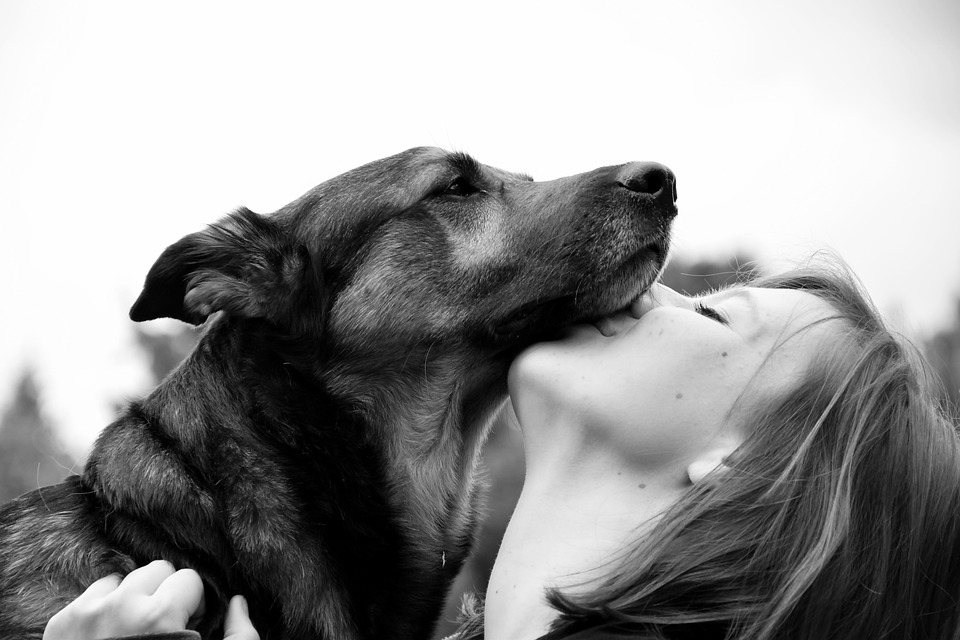
Building a strong bond with your dog is essential for a harmonious and fulfilling companionship. Trust is the cornerstone of this relationship, and it significantly impacts your dog’s behavior, obedience, and overall happiness. Whether you’re a new dog owner or have shared your home with a canine friend for years, there are always ways to strengthen your bond. This article will explore various methods to boost your dog’s trust and create a lasting, positive relationship.
Understanding Canine Trust
Before delving into the practical tips, it’s crucial to understand how dogs perceive trust. Trust, from a canine perspective, is built on consistent, positive interactions. Dogs rely on us for their needs, protection, and affection. When these are consistently met, trust flourishes. However, it’s important to remember that trust can be fragile and requires ongoing effort to maintain.
Consistency is Key
Dogs thrive on routine and predictability. To build trust, establish a consistent daily routine that includes feeding times, walks, play, and rest. This predictability helps your dog feel secure and understand what’s expected of them. Inconsistencies can cause confusion and anxiety, which can erode trust over time.
Positive Reinforcement
Positive reinforcement is one of the most effective ways to build trust with your dog. Reward desirable behaviors with treats, praise, or affection. This method encourages your dog to repeat these behaviors and associates you with positive experiences. Avoid using punishment or harsh discipline, as these can damage trust and lead to fear-based behaviors.
Quality Time Together
Spending quality time with your dog strengthens your bond and builds trust. Engage in activities that your dog enjoys, such as walks, fetch, or agility training. These shared experiences create positive associations and reinforce your role as a reliable and fun companion.
Play Games
Games like fetch, hide and seek, or tug-of-war are excellent for bonding. They not only provide physical exercise but also mental stimulation. Always ensure that play remains friendly and does not become overly competitive or aggressive.
Training Sessions
Regular training sessions are crucial for building trust and improving communication. Use positive reinforcement techniques to teach your dog new commands or tricks. Training builds confidence in your dog and strengthens their trust in your guidance.
Respect Your Dog’s Space
Just like humans, dogs need their own space and time to relax. Respect your dog’s need for solitude and don’t force interactions when they seem uninterested. Recognizing and honoring your dog’s boundaries is a significant step in building mutual trust and respect.
Socialization
Proper socialization is vital for building trust and ensuring your dog is comfortable in various environments. Gradually introduce your dog to new experiences, people, and other animals in a controlled and positive manner. This exposure helps your dog feel more secure and confident, reinforcing trust in your ability to keep them safe.
Body Language and Communication
Understanding your dog’s body language and communication cues is essential for building trust. Dogs communicate through a variety of signals, including tail wagging, ear positions, and vocalizations. By learning to interpret these signals, you can respond appropriately to your dog’s needs and emotions, fostering a deeper level of trust.
Recognizing Stress Signals
It’s crucial to recognize when your dog is stressed or uncomfortable. Common stress signals include panting, yawning, lip licking, and avoiding eye contact. If you notice these signs, give your dog space and comfort them in a way that suits their personality.
Patience and Empathy
Building trust takes time, especially if your dog has had previous negative experiences. Be patient and empathetic, allowing your dog to progress at their own pace. Celebrate small victories and remain consistent in your positive interactions.
Meeting Basic Needs
Ensure that your dog’s basic needs are consistently met. This includes providing adequate food, clean water, shelter, and regular veterinary care. A healthy and comfortable dog is more likely to trust and bond with their owner.
Build a Routine
A well-structured routine provides your dog with a sense of security and predictability. Consistent feeding times, regular walks, and scheduled play sessions help your dog understand what to expect, reducing anxiety and building trust in your reliability.
Enrichment Activities
Providing mental stimulation is as important as physical exercise. Enrichment activities such as puzzle toys, scent games, and interactive feeders can keep your dog mentally engaged and happy. These activities also strengthen your bond as your dog associates you with fun and rewarding experiences.
Conclusion
Building a strong bond with your dog based on trust is a rewarding journey that enhances both your lives. By understanding your dog’s needs, communicating effectively, and consistently providing positive experiences, you can foster a deep and lasting relationship. Remember that every dog is unique, and building trust may take time, especially for rescue dogs or those with past traumas. Be patient, empathetic, and committed, and you will be rewarded with a loyal, trusting companion.