

Grooming is an essential part of maintaining your dog’s overall health and well-being. A well-groomed dog not only looks good but also feels good and is less prone to various skin and coat problems. This article will provide you with essential dog grooming tips to ensure your furry friend sports a healthy, shiny coat all year round.
Understanding Your Dog’s Coat Type
Before delving into grooming techniques, it’s crucial to understand your dog’s coat type. Different breeds have different grooming needs based on their coat type. Generally, dogs’ coats can be categorized into short, medium, long, curly, or double coats. Each type requires specific grooming tools and techniques to maintain optimal health and appearance.
Short Coats
Dogs with short coats, such as Beagles and Boxers, require minimal grooming. Regular brushing with a rubber brush or curry comb can help remove loose hair and distribute natural oils, keeping the coat shiny and healthy.
Medium and Long Coats
Breeds like Golden Retrievers and Border Collies have medium to long coats that need regular brushing to prevent tangles and mats. A slicker brush or pin brush works well for these coat types.
Curly Coats
Curly-coated breeds like Poodles require frequent grooming to prevent matting. Regular trimming and a gentle bristle brush can help maintain their coat’s health.
Double Coats
Breeds with double coats, such as Siberian Huskies and German Shepherds, need regular brushing with an undercoat rake or de-shedding tool to remove loose undercoat hair and keep the topcoat healthy.
Regular Brushing
Brushing is a fundamental part of dog grooming. It helps remove dirt, debris, and loose fur while stimulating the skin’s natural oils, promoting a healthy and shiny coat. The frequency of brushing depends on your dog’s coat type:
Daily Brushing
Curly and long-haired breeds benefit from daily brushing to prevent tangles and mats. Regular brushing also helps in detecting any skin issues early on.
Weekly Brushing
Short-haired and medium-haired dogs generally require brushing once a week to keep their coats in top condition.
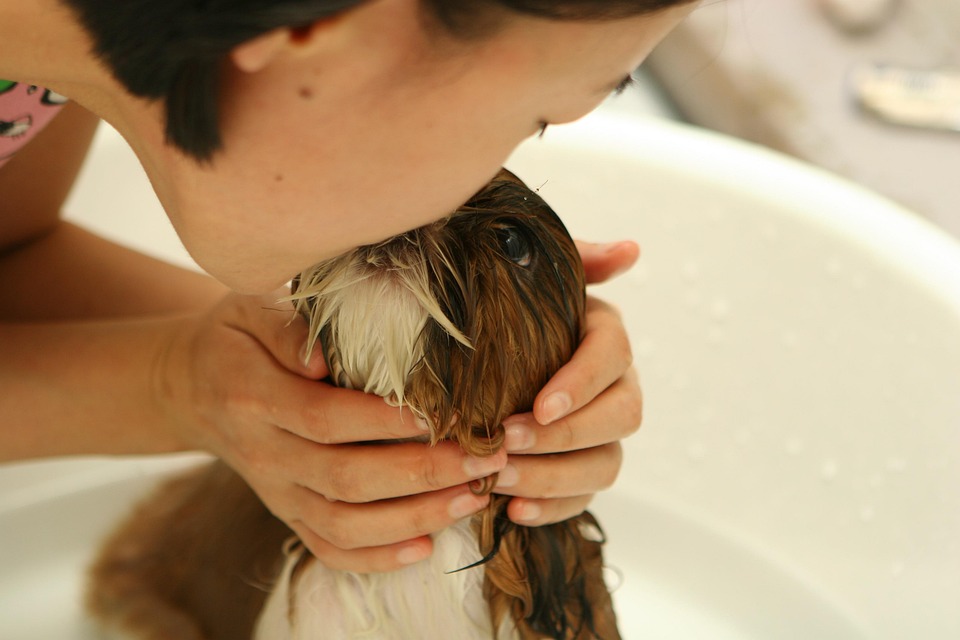
Bathing Your Dog
Bathing is another crucial aspect of maintaining a healthy coat. However, over-bathing can strip the coat of its natural oils, leading to dry skin. Understanding your dog’s bathing needs is vital:
Bathe When Necessary
Most dogs only need a bath every few months, unless they get particularly dirty or have a medical condition that requires more frequent bathing.
Use Dog-Specific Shampoo
Always use a shampoo specifically designed for dogs. Human shampoos can be too harsh for a dog’s skin and coat. Choose a gentle, moisturizing shampoo to keep the coat healthy.
Keeping the Coat Trimmed
Regular trimming is essential for certain breeds, especially those with long or curly coats. Trimming helps keep the coat manageable and prevents issues like matting and tangling:
Professional Grooming
Consider taking your dog to a professional groomer every 6-8 weeks, depending on the breed and coat type. Professional groomers have the tools and expertise to maintain your dog’s coat health effectively.
DIY Grooming
If you choose to groom your dog at home, invest in quality grooming tools such as clippers, scissors, and brushes. Learn the proper techniques to ensure a safe and comfortable grooming experience for your dog.
Nutrition and Hydration
A healthy coat starts from within. Proper nutrition and hydration play a significant role in maintaining your dog’s coat health:
Balanced Diet
Ensure your dog is on a balanced diet rich in essential fatty acids, vitamins, and minerals. Foods rich in omega-3 and omega-6 fatty acids, such as fish oil, contribute to a shiny and healthy coat.
Hydration
Make sure your dog has access to fresh, clean water at all times. Proper hydration supports overall skin and coat health.
Regular Check-ups
Regular veterinary check-ups are vital for maintaining your dog’s overall health, including coat condition. Your vet can help identify any underlying health issues that may affect the coat and provide appropriate treatment.
Parasite Control
Parasites like fleas and ticks can cause significant damage to your dog’s coat and skin. Consult your vet about effective parasite control methods to keep your dog protected.
Conclusion
Maintaining a healthy coat is an integral part of your dog’s overall well-being. By understanding your dog’s coat type and following the essential grooming tips outlined in this article, you can ensure your furry friend enjoys a shiny, healthy coat all year round. Regular grooming not only enhances your dog’s appearance but also strengthens the bond between you and your pet, making it a rewarding experience for both of you.
#ChatGPT assisted in the creation of this article.