

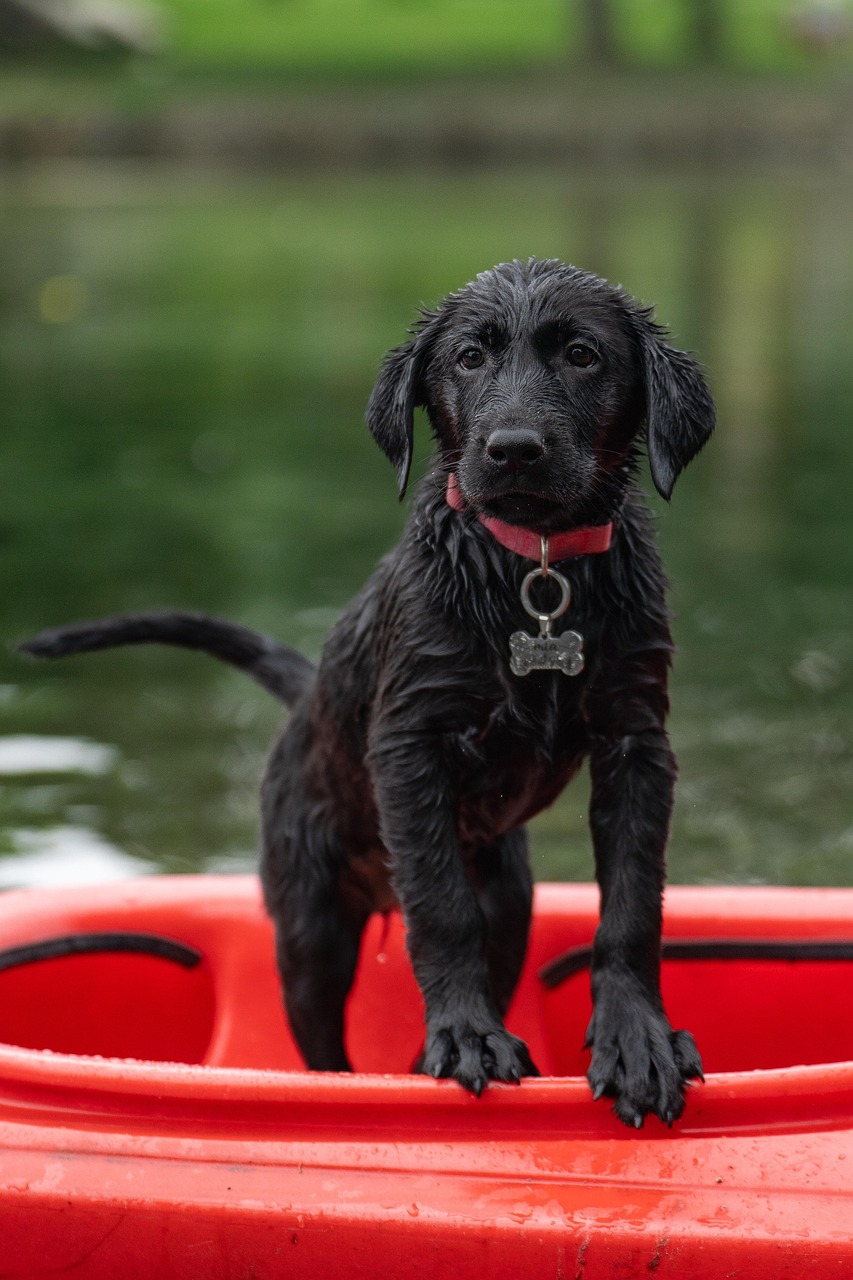
Ensuring your dog stays well-hydrated is a cornerstone of their overall health and well-being. Just like humans, dogs require sufficient water intake to support their bodily functions, regulate temperature, and aid digestion. Proper hydration is crucial for maintaining energy levels, promoting healthy skin and coat, and flushing out toxins from the body. In this article, we will explore top dog hydration tips to help you keep your furry friend optimally hydrated and healthy.
The Importance of Hydration for Dogs
Water is an essential component of a dog’s diet, making up about 60% of an adult dog’s body weight. It plays a critical role in several physiological processes, including:
- Temperature Regulation: Dogs primarily cool themselves through panting. Adequate hydration ensures effective thermoregulation, preventing overheating and heatstroke.
- Joint and Muscle Function: Water acts as a lubricant for joints and muscles, helping to prevent stiffness and facilitating smooth movement.
- Digestion and Nutrient Absorption: Water aids in the digestion process by helping break down food and transport nutrients throughout the body.
- Detoxification: Adequate water intake supports kidney function, facilitating the removal of waste and toxins from the body.
- Skin and Coat Health: Hydration helps maintain skin elasticity and coat glossiness, preventing issues like dryness and flakiness.
How Much Water Does Your Dog Need?
The amount of water a dog needs can vary based on several factors, such as size, age, activity level, diet, and environmental conditions. A general guideline is that a dog should drink approximately one ounce of water per pound of body weight each day. For example, a 50-pound dog should consume around 50 ounces (about 6.25 cups) of water daily.
However, this is a baseline recommendation, and adjustments should be made for individual needs. Active dogs, those in hot climates, or dogs with certain health conditions may require more water to stay properly hydrated.
Signs of Dehydration in Dogs
Being able to recognize the signs of dehydration in dogs is crucial for timely intervention. Some common signs include:
- Dry Nose and Gums: A hydrated dog typically has a moist nose and pink, moist gums.
- Lethargy: Lack of energy and enthusiasm can indicate dehydration.
- Sunken Eyes: Dehydrated dogs may have eyes that appear sunken.
- Loss of Skin Elasticity: Gently pinch your dog’s skin; if it doesn’t quickly return to its normal position, dehydration may be present.
- Decreased Urination or Dark Urine: Reduced frequency of urination or dark yellow urine can be signs of dehydration.
If you notice any of these signs, it’s important to encourage your dog to drink water and consult a veterinarian if symptoms persist.
Top Dog Hydration Tips
Provide Fresh, Clean Water
Always ensure your dog has access to fresh, clean water. Change the water in their bowl daily and wash the bowl regularly to prevent bacterial growth. Some dogs may prefer filtered or bottled water, especially if tap water is heavily chlorinated.
Monitor Water Intake
Keep an eye on how much water your dog is drinking. This can help you identify changes in their hydration status and address any issues promptly. Some dogs may not drink enough water, especially during cooler months, so monitoring intake is essential.
Incorporate Wet Food
Including wet food in your dog’s diet can help increase their water intake. Canned food typically contains around 70-80% water, compared to dry kibble, which contains only about 10%. Wet food can be especially beneficial for dogs with urinary tract issues or those who are reluctant drinkers.
Add Flavor to the Water
If your dog is hesitant to drink plain water, try adding a splash of low-sodium chicken or beef broth to make it more enticing. Be sure to choose broths without added salt, onions, or garlic, as these can be harmful to dogs.
Encourage Hydration During Exercise
Just like athletes, dogs need to stay hydrated during physical activity. Bring a portable water bowl or a dog-specific water bottle on walks or hikes, and offer water breaks regularly to prevent dehydration.
Consider a Pet Water Fountain
Some dogs are attracted to running water. Investing in a pet water fountain can encourage them to drink more. The continuous circulation of water also helps keep it fresh and oxygenated.
Hydration-Boosting Treats
Offer your dog hydrating treats, such as ice cubes made from low-sodium broth or frozen watermelon cubes. These can be a refreshing way to increase their water intake, especially during hot weather.
Monitor Environmental Conditions
Be mindful of the environment your dog is in. Hot, humid weather increases the risk of dehydration, while cold weather may decrease their thirst. Adjust their water intake accordingly and provide shade or indoor shelter when necessary.
Consult Your Veterinarian
If you’re concerned about your dog’s hydration status or if they have specific health conditions, consult your veterinarian. They can provide personalized advice and recommend appropriate hydration strategies for your dog’s needs.
Conclusion
Maintaining optimal hydration is vital for your dog’s health and well-being. By implementing these top dog hydration tips, you can ensure your furry friend stays properly hydrated, energetic, and healthy. Remember that each dog is unique, so it’s essential to monitor their individual needs and make adjustments as necessary. With your attentive care, your dog can enjoy a happy, hydrated life by your side.
#ChatGPT assisted in the creation of this article.