

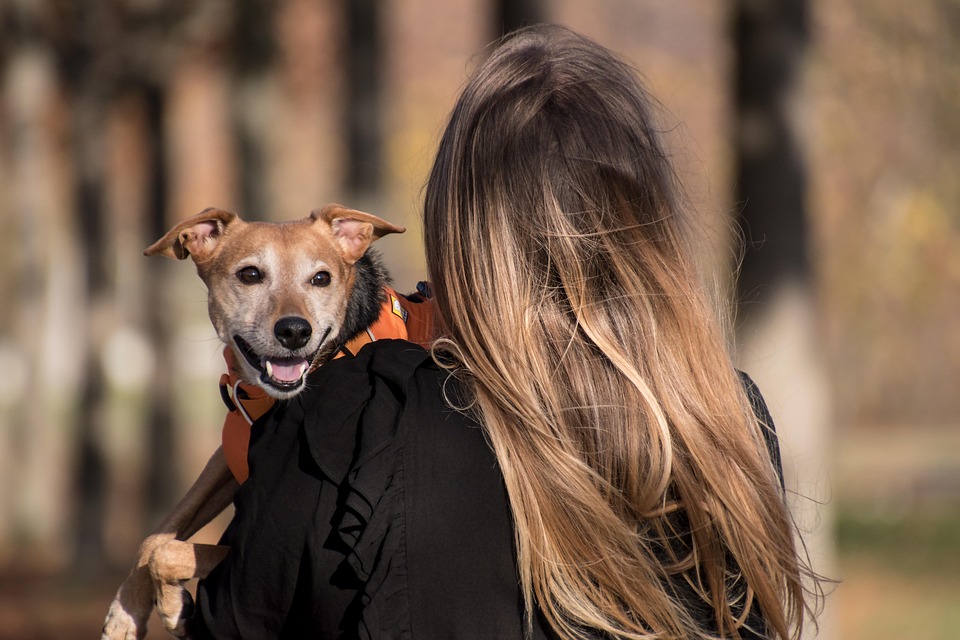
Welcoming a dog into your home is a decision that brings immense joy and responsibility. As a first-time dog owner, the journey can be both exciting and overwhelming. From understanding your new companion’s needs to providing a nurturing environment, there’s a lot to learn. This guide will walk you through essential aspects of dog ownership, ensuring a happy and healthy life for your furry friend.
Choosing the Right Dog for Your Lifestyle
Before bringing a dog home, it’s crucial to choose a breed or mix that aligns with your lifestyle. Consider factors such as your living situation, activity level, and family dynamics.
Assessing Your Living Situation
If you live in an apartment, a smaller breed or one with low exercise requirements might be ideal. On the other hand, if you have a spacious house with a yard, larger or more active breeds may thrive.
Understanding Activity Levels
Some breeds require more exercise than others. Consider your daily routine and energy level. Active individuals might enjoy a high-energy dog like a Border Collie, while those with a more relaxed lifestyle might prefer a Basset Hound.
Family Dynamics and Allergies
Consider the age and temperament of family members. Some breeds are more patient and gentle with children. Additionally, if allergies are a concern, research hypoallergenic breeds to reduce allergic reactions.
Preparing Your Home
Once you’ve chosen your dog, it’s time to prepare your home. Creating a safe and welcoming environment is crucial for your pet’s well-being.
Shopping for Essentials
Stock up on necessary supplies such as a bed, food and water bowls, leash, collar, and toys. Additionally, purchase high-quality dog food suitable for your dog’s age, size, and breed.
Puppy-Proofing Your Space
Just like baby-proofing, ensure hazardous items are out of reach. Secure electrical cords, remove toxic plants, and use baby gates to block off restricted areas.
Creating a Safe Space
Designate a specific area for your dog to rest and feel secure. This could be a cozy corner with their bed or a crate where they can retreat when they need alone time.
Understanding Basic Training
Training is essential for a well-behaved dog and a harmonious household. Start with basic commands and gradually introduce more complex behaviors.
House Training
Consistency is key when potty training. Establish a routine by taking your dog out at the same times each day and rewarding them for successful bathroom breaks outside.
Basic Commands
Teach simple commands such as sit, stay, come, and leave it. Use positive reinforcement like treats and praise to encourage good behavior.
Socialization Skills
Expose your dog to various environments, people, and other animals to build their confidence and reduce fearfulness. Puppy classes can also provide valuable socialization opportunities.
Health and Wellness
Maintaining your dog’s health is a top priority. Regular veterinary care and a balanced diet contribute to their overall well-being.
Regular Vet Visits
Schedule regular check-ups to monitor your dog’s health. Vaccinations, flea and tick prevention, and dental care are essential components of veterinary care.
Nutrition and Exercise
A well-balanced diet tailored to your dog’s needs is crucial. Consult your vet to determine the right food and portion sizes. Ensure your dog gets adequate exercise based on their breed and energy level.
Grooming Needs
Regular grooming helps maintain your dog’s coat and skin health. Brush your dog regularly, bathe them as needed, and trim their nails to prevent discomfort.
Building a Strong Bond
Developing a strong bond with your dog is one of the most rewarding aspects of pet ownership. It requires time, patience, and understanding.
Quality Time and Play
Spend quality time with your dog through play and exercise. Interactive toys, fetch, and walks are excellent ways to engage with your pet.
Understanding Canine Communication
Pay attention to your dog’s body language and vocalizations. Understanding their communication cues will help you respond appropriately to their needs and emotions.
Positive Reinforcement and Patience
Use positive reinforcement to encourage desired behaviors. Be patient and consistent in your training approach, and avoid harsh punishments that can damage your relationship.
Handling Common Challenges
As a first-time dog owner, you may encounter challenges such as behavioral issues or health concerns. Knowing how to address these will make your journey smoother.
Dealing with Separation Anxiety
Separation anxiety is common, especially in rescue dogs. Gradually increase the time your dog spends alone, provide comforting toys, and avoid making departures and arrivals a big event.
Addressing Behavioral Issues
If behavioral issues arise, such as excessive barking or chewing, identify the root cause. Training, mental stimulation, and sometimes professional help can address these problems.
Managing Health Emergencies
Be prepared for health emergencies by having a first-aid kit and knowing the location of the nearest 24-hour veterinary clinic. Familiarize yourself with symptoms that require immediate attention.
Conclusion
Owning a dog for the first time is a life-changing experience filled with joy and challenges. By choosing the right dog, preparing your home, understanding training basics, and prioritizing health and wellness, you’ll set the foundation for a strong, loving relationship with your new furry family member. Remember, every dog is unique, and patience, love, and commitment are key to a happy life together.
#ChatGPT assisted in the creation of this article.