

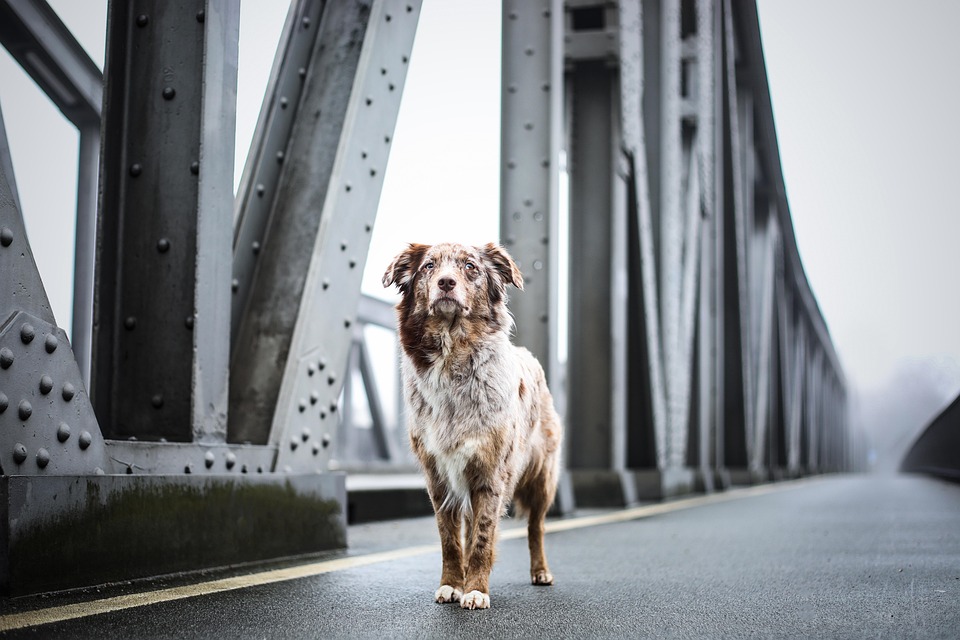
Dog walking is an essential part of a dog’s daily routine, offering much more than just a bathroom break. It’s a vital activity that contributes to a dog’s physical health, mental stimulation, and overall happiness. Proper dog walking habits can enhance your relationship with your pet and ensure they lead a fulfilling life. In this article, we’ll explore essential tips to make your dog walking experience enjoyable and beneficial for both you and your dog.
Understanding Your Dog’s Needs
Before heading out, it’s important to understand your dog’s specific needs. Different breeds and individual dogs have varying exercise requirements. For instance, a high-energy breed like a Border Collie will need more exercise than a Basset Hound. Puppies and younger dogs generally require more frequent walks compared to older dogs. Understanding your dog’s breed, age, and health conditions will help you tailor the walk to suit their needs.
Choosing the Right Equipment
The right equipment can make a significant difference in the walking experience. Here are some essentials:
Collar and Harness
Choose a collar or harness that fits comfortably and securely. For dogs that pull, a harness can distribute pressure more evenly and prevent strain on the neck. Ensure the collar or harness is snug but not too tight – you should be able to slip two fingers underneath.
Leash
Opt for a sturdy, durable leash. A standard 4 to 6-foot leash is ideal for maintaining control. Avoid retractable leashes as they can encourage pulling and may pose safety risks.
Identification Tags
Ensure your dog is wearing identification tags with your contact information. This is crucial in case your dog gets lost.
Planning Your Route
Planning is key to a successful walk. Consider the following:
Environment
Choose routes that are safe and suitable for dogs. Parks, nature trails, or quiet neighborhoods are ideal. Avoid busy roads and areas with heavy traffic.
Variety
To keep things interesting for your dog, vary the walking routes. Different sights, sounds, and smells provide mental stimulation and enrichment.
Weather Conditions
Check the weather before heading out. Extreme temperatures can be harmful to your dog. During hot weather, walk during cooler parts of the day and bring water. In cold conditions, consider a doggy coat for breeds with short fur.
Training and Behavior Management
Walking is an excellent opportunity to reinforce training and manage behavior:
Leash Training
Teach your dog to walk politely on a leash. Use positive reinforcement techniques to encourage good behavior. If your dog pulls, stop walking until they calm down, then resume.
Socialization
Walks are a great way to socialize your dog. Allow them to meet other dogs and people, but always assess the situation for safety. Not all dogs are friendly, so proceed with caution.
Obedience Commands
Incorporate basic commands like “sit,” “stay,” and “come” during walks. This keeps your dog focused and responsive, especially in distracting environments.
Ensuring Safety
Safety should always be a priority:
Visibility
For early morning or evening walks, use reflective gear for both you and your dog. This enhances visibility to motorists and other pedestrians.
Hazards
Be vigilant about potential hazards such as broken glass, sharp objects, or toxic substances. Keep your dog close and steer clear of these dangers.
Wildlife
In areas with wildlife, be cautious. Keep your dog on a leash to prevent chasing or encounters with wild animals.
Maintaining Health and Hygiene
Walking contributes to your dog’s health and hygiene:
Exercise
Regular walks help maintain a healthy weight and prevent obesity. They also promote cardiovascular health and strengthen muscles.
Grooming
After walks, check your dog for ticks, fleas, or debris caught in their fur. Regular grooming, including brushing and nail trimming, complements their walking routine.
Potty Breaks
Bring waste bags to clean up after your dog. This keeps the environment clean and shows respect for the community.
Making Walks Enjoyable
Walks should be fun for both you and your dog:
Interactive Elements
Incorporate play elements like fetch or tug-of-war during your walk. This adds excitement and strengthens your bond.
Sniffing Time
Allow your dog to explore and sniff around. This is their way of gathering information and enjoying the environment.
Positive Reinforcement
Use treats and praise to reward good behavior during walks. This encourages your dog to maintain desirable conduct.
Conclusion
Walking your dog is a fundamental aspect of pet care that contributes significantly to their well-being. By understanding your dog’s needs, choosing the right equipment, planning safe and interesting routes, and incorporating training and safety measures, you ensure that walks are a positive experience. Remember, a well-exercised dog is a happy and healthy dog. Enjoy your walks and cherish the moments shared with your furry companion.
#ChatGPT assisted in the creation of this article.