

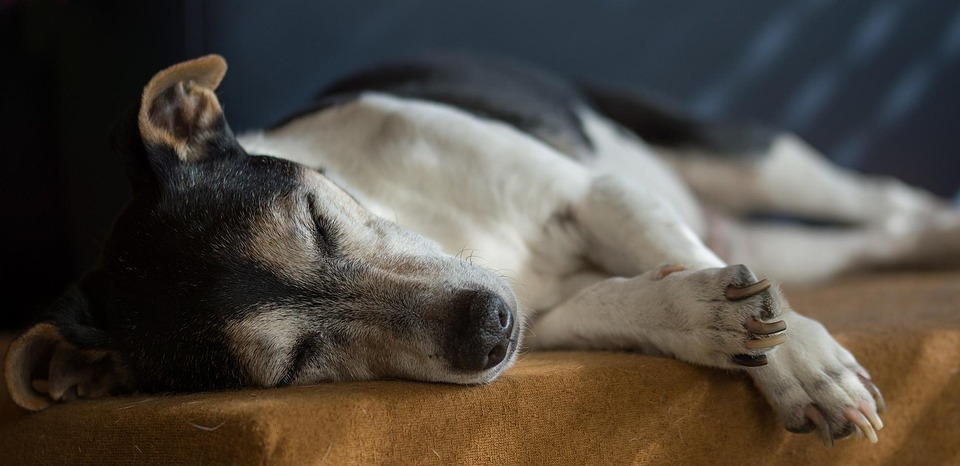
As our beloved canine companions enter their golden years, they require special attention and care to ensure they age happily and healthily. Senior dogs, much like senior humans, have unique needs that must be addressed to maintain their overall well-being. This essential senior dog care guide aims to provide pet owners with comprehensive insights into nurturing their aging dogs, covering everything from nutrition and exercise to health check-ups and mental stimulation.
Understanding When Your Dog Becomes a Senior
The age at which a dog is considered senior varies depending on the breed and size. Generally, smaller breeds are considered senior around the age of 9-10, while larger breeds may reach their senior years at around 6-7 years old. Recognizing the signs of aging can help you adapt your care routine to better suit your dog’s evolving needs.
Nutrition: Feeding for Health
As dogs age, their metabolism slows down, and their dietary requirements change. Senior dogs often need fewer calories but more nutrients that support joint health, digestion, and cognitive function.
Choosing the Right Food
Opt for high-quality senior dog food that contains fewer calories and increased fiber. Look for formulas rich in omega-3 fatty acids, glucosamine, and chondroitin, which support joint health and mobility. Antioxidants such as vitamins E and C can help bolster the immune system and promote cognitive health.
Monitoring Weight
Maintaining a healthy weight is crucial for senior dogs to prevent stress on their joints and reduce the risk of obesity-related diseases. Regularly monitor your dog’s weight and adjust their food intake accordingly. Consult with your veterinarian to establish a suitable feeding regimen.
Exercise: Keeping Them Moving
Regular exercise is essential for senior dogs to maintain muscle mass, joint flexibility, and mental health. However, it’s important to tailor their exercise routine to their individual capabilities and limitations.
Low-Impact Activities
Engage your senior dog in gentle, low-impact exercises such as leisurely walks, swimming, or playing with toys. Short, frequent sessions are preferable to long, strenuous ones. Always monitor your dog for signs of fatigue or discomfort and adjust the intensity as needed.
Joint Health Supplements
Consider incorporating joint health supplements into your dog’s diet. Supplements containing glucosamine, chondroitin, and MSM can help support joint function and alleviate discomfort. Always consult with your veterinarian before adding any new supplements to your dog’s regimen.
Regular Health Check-Ups
As dogs age, they become more susceptible to a variety of health issues. Regular veterinary check-ups are crucial in detecting and addressing potential problems early.
Bi-Annual Vet Visits
Schedule vet visits at least twice a year for a comprehensive health assessment. These check-ups should include blood tests, dental exams, and screenings for common senior dog ailments such as arthritis, diabetes, and kidney disease.
Monitoring for Changes
Be vigilant in observing any changes in your dog’s behavior, appetite, or physical condition. Report any unusual symptoms to your veterinarian promptly. Early intervention can prevent minor issues from developing into serious health concerns.
Dental Care: More Important Than Ever
Dental health is often overlooked but is incredibly important for senior dogs. Poor dental hygiene can lead to gum disease, tooth loss, and even systemic health problems.
Regular Brushing
Brush your dog’s teeth regularly using a dog-specific toothbrush and toothpaste. If your dog is not accustomed to having their teeth brushed, start slowly and gradually build up their tolerance.
Professional Cleanings
Depending on your dog’s dental health, professional cleanings may be necessary. Your veterinarian can provide guidance on the frequency of cleanings based on your dog’s specific needs.
Mental Stimulation: Keeping Their Mind Sharp
Mental stimulation is vital for maintaining cognitive function and preventing boredom in senior dogs. Engage your dog with activities that challenge their mind and senses.
Interactive Toys and Puzzles
Provide your dog with interactive toys and puzzles that encourage problem-solving and reward them with treats. This can help keep their mind sharp and provide entertainment.
Training and Socialization
Continue to engage your senior dog in training sessions to reinforce commands and introduce new tricks. Socialization with other dogs and people can also provide mental stimulation and prevent feelings of isolation.
Creating a Comfortable Environment
As your dog ages, their living environment may need adjustments to accommodate their changing needs. Creating a comfortable and accessible space can enhance their quality of life.
Orthopedic Bedding
Invest in a high-quality orthopedic bed that provides extra support and comfort for your dog’s joints. This can help reduce pain and improve their sleep quality.
Easy Accessibility
Ensure that your home is easily navigable for your senior dog. Consider installing ramps or steps to help them access furniture or vehicles, and remove any obstacles that could cause falls or injuries.
Emotional Support: Strengthening the Bond
Senior dogs benefit greatly from emotional support and companionship. Strengthening the bond between you and your dog can enhance their overall happiness and well-being.
Quality Time
Spend quality time with your senior dog through activities they enjoy, such as gentle play, grooming, or simply cuddling. This can provide comfort and reassurance, particularly if they experience anxiety or confusion.
Understanding and Patience
Be patient and understanding of your dog’s limitations and changes in behavior. Senior dogs may experience cognitive decline, leading to confusion or forgetfulness. Providing a calm and supportive environment can help alleviate stress.
Conclusion
Caring for a senior dog requires dedication and attentiveness to their unique needs. By providing proper nutrition, exercise, health care, and emotional support, you can ensure your furry friend enjoys a happy and fulfilling life in their golden years. Remember that each dog is individual, and consulting with your veterinarian is essential to tailor your care approach to your dog’s specific requirements. With love and attention, your senior dog can experience a joyful and contented aging process.
“`
#ChatGPT assisted in the creation of this article.