

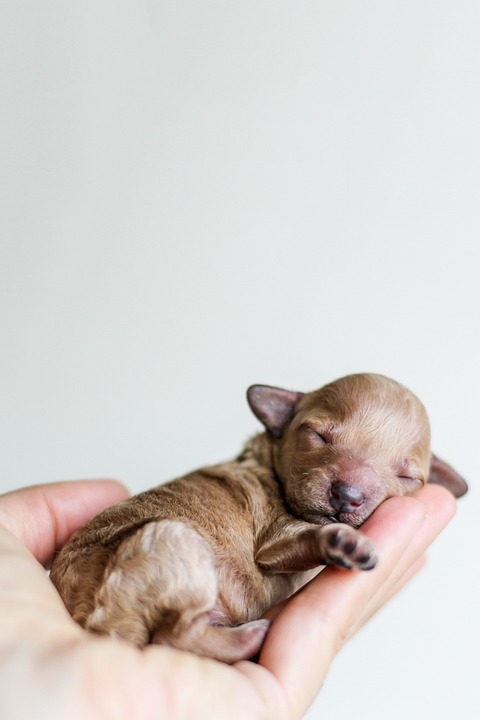
Bringing home a new puppy is an exciting and rewarding experience, but it also comes with a set of responsibilities that can be overwhelming for first-time dog owners. Puppies require attention, care, and training to grow into well-adjusted adult dogs. This article will guide you through the essential puppy care tips to ensure a healthy and happy life for your new furry friend.
Choosing the Right Puppy
Before bringing a puppy home, it’s crucial to choose the right breed or mix that fits your lifestyle. Consider factors such as the dog’s size, temperament, energy level, and grooming needs. Research different breeds to understand their characteristics and consult with breeders, veterinarians, or rescue organizations to make an informed decision.
Preparing Your Home
Once you have chosen your puppy, it’s time to prepare your home for its arrival.
Creating a Safe Environment
Your home should be safe for a curious puppy. Remove any hazardous items like electrical cords, toxic plants, and small objects that can be swallowed. Install baby gates to restrict access to certain areas, and ensure that your yard is secure if you have one.
Designated Puppy Area
Set up a comfortable area where your puppy can eat, sleep, and play. This area should be equipped with a bed, food and water bowls, and an assortment of toys. A crate can also be valuable for house training and providing a sense of security.
Nutrition and Feeding
Puppies have specific dietary needs that differ from adult dogs. Proper nutrition is crucial for their growth and development.
Choosing the Right Food
Select a high-quality puppy food that meets the nutritional standards set by the Association of American Feed Control Officials (AAFCO). Consult with your veterinarian to determine the best type of food for your puppy’s breed and age.
Feeding Schedule
Maintain a consistent feeding schedule to regulate your puppy’s metabolism and digestion. Typically, puppies need to eat three to four times a day. As they grow, you can gradually reduce the number of feedings.
Health and Veterinary Care
Regular veterinary care is essential to ensure your puppy’s health and wellbeing.
Vaccinations
Vaccinations protect your puppy from common diseases. Your veterinarian will provide a vaccination schedule, typically starting at six to eight weeks of age. Follow through with all necessary vaccinations to keep your puppy safe.
Parasite Prevention
Puppies are susceptible to parasites such as fleas, ticks, and worms. Regular check-ups and preventive medications can protect your puppy from these pesky invaders.
Spaying/Neutering
Discuss with your veterinarian the benefits of spaying or neutering your puppy. This procedure can prevent unwanted litters and reduce the risk of certain health issues.
Training and Socialization
Training and socialization are critical components of raising a well-behaved and confident dog.
Basic Training
Start with basic commands such as sit, stay, come, and down. Consistency and positive reinforcement are key to effective training. Consider enrolling your puppy in obedience classes for structured learning.
Socialization
Expose your puppy to various environments, people, and other animals to build confidence and reduce fear. Socialization should be a positive experience, so go at your puppy’s pace and reward calm behavior.
Exercise and Play
Puppies are full of energy and require plenty of exercise and playtime.
Daily Exercise
Provide your puppy with regular exercise appropriate for their age and breed. This can include walks, play sessions, and mental stimulation through interactive toys.
Playtime
Play is crucial for a puppy’s development. Engage in games like fetch or tug-of-war and provide a variety of toys to keep your puppy entertained and mentally stimulated.
Grooming and Hygiene
Regular grooming keeps your puppy clean and healthy.
Bathing
Puppies don’t need frequent baths, but they should be bathed occasionally to keep their coat clean. Use a puppy-specific shampoo and ensure the water is warm, not hot.
Brushing
Brush your puppy’s coat regularly to prevent matting and reduce shedding. The frequency of brushing depends on the breed’s coat type.
Nail Trimming
Trim your puppy’s nails regularly to prevent overgrowth, which can lead to discomfort or injury. If you’re unsure how to trim nails safely, consult your veterinarian or a professional groomer.
Understanding Puppy Behavior
Puppies are naturally curious and may exhibit behaviors that require guidance.
Chewing
Chewing is a natural behavior for puppies, especially during teething. Provide appropriate chew toys and redirect them from inappropriate items.
Barking
Barking is a form of communication. Understand the reasons for your puppy’s barking, such as boredom or fear, and address the underlying cause.
Potty Training
Housebreaking a puppy requires patience and consistency. Establish a routine, take your puppy out frequently, and reward successful potty trips.
Building a Strong Bond
Creating a strong bond with your puppy is essential for a fulfilling relationship.
Quality Time
Spend quality time with your puppy through play, training, and relaxation. This strengthens your bond and helps your puppy feel secure and loved.
Communication
Understand your puppy’s body language and vocalizations to communicate effectively. Be patient and positive, and avoid harsh discipline.
Conclusion
Bringing a new puppy into your home is an exciting adventure filled with joy and learning. By following these essential puppy care tips, you’ll be well-equipped to provide a loving and nurturing environment for your furry companion. Remember, patience and consistency are key, and the effort you put into raising your puppy will result in a loyal and well-behaved dog that will bring joy to your life for years to come.
#ChatGPT assisted in the creation of this article.