

“`html
Discover Rare Dog Breeds: Unusual and Unique Pups
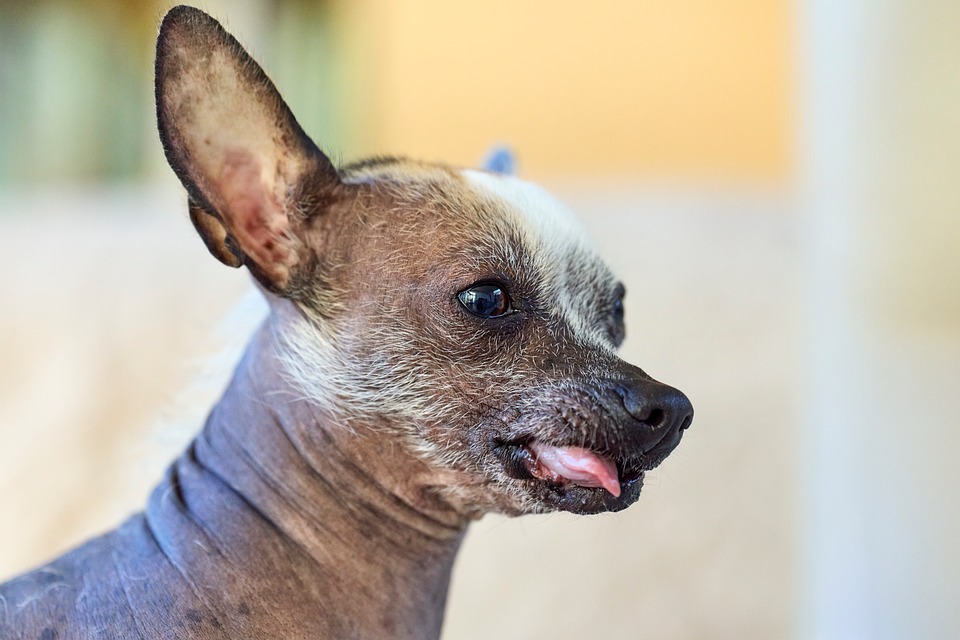
Dogs have been humans’ companions for thousands of years, evolving alongside us in a myriad of fascinating ways. While everyone is familiar with popular breeds like the Labrador Retriever or the German Shepherd, there exists a world of lesser-known, rare dog breeds that captivate with their unique characteristics. In this article, we embark on a journey to discover some of these unusual and unique pups, exploring their origins, traits, and what makes them stand out in the canine world.
Why Rare Breeds Matter
Rare dog breeds are often overshadowed by their more famous counterparts. However, these breeds play a crucial role in maintaining genetic diversity within the canine population. Genetic diversity is vital for the health and resilience of dogs overall, as it helps prevent hereditary diseases and promotes robust immune systems. Moreover, rare breeds often have distinct traits and histories that offer insights into the cultural and environmental conditions that shaped them.
The Catahoula Leopard Dog: Louisiana’s State Dog
Originating from the United States, the Catahoula Leopard Dog is a striking breed known for its unique coat patterns, which often resemble a leopard’s spots. This breed was developed in Louisiana and is named after Catahoula Parish. Catahoulas are renowned for their agility and endurance, qualities that made them excellent hunting and herding dogs in the swamps and forests of the southern U.S.
Catahoula Leopard Dogs are intelligent and energetic, requiring ample physical and mental stimulation. They are fiercely loyal to their families but can be reserved around strangers. Due to their working background, they thrive in environments where they have a job to do, making them ideal for active families or those involved in canine sports.
The Azawakh: Graceful Guardian of the Sahel
Hailing from the Sahel region of Africa, the Azawakh is a rare sighthound known for its slender, elegant build and remarkable speed. These dogs were traditionally bred by the Tuareg nomads to hunt game across the vast expanses of the desert. Their lean bodies and long legs allow them to cover great distances with ease, making them exceptional hunters and guardians.
Azawakhs are known for their independence and strong bonds with their human families. They are highly protective, often forming deep attachments to their owners. Despite their aloofness with strangers, they are affectionate and gentle with those they know, making them cherished companions in the right home.
The Norwegian Lundehund: A Canine Contortionist
The Norwegian Lundehund is a fascinating breed with several unique physical traits, including six toes on each foot and extraordinary flexibility. Originally bred to hunt puffins on the cliffs of Norway, these dogs needed to navigate narrow crevices and precarious ledges, which led to their unusual adaptations.
Lundehunds are small, agile, and highly alert, with a playful and curious nature. They are known for their ability to climb and squeeze through tight spaces, a skill that was essential in their original role as puffin hunters. Today, they are rare even in their native Norway but make entertaining and loyal companions for those willing to embrace their quirks.
The Thai Ridgeback: An Ancient Treasure
The Thai Ridgeback is a rare breed native to Thailand, distinguished by the ridge of hair running along its back in the opposite direction to the rest of the coat. This breed has existed for centuries, primarily used as a hunting and guard dog in rural Thailand.
Thai Ridgebacks are known for their intelligence, independence, and protective nature. They are highly active and require regular exercise to channel their energy positively. While they can be reserved with strangers, they are loyal and affectionate with their families. Their striking appearance and unique history make them a captivating choice for experienced dog owners.
The Catalburun: Turkey’s Split-Nosed Pointer
One of the rarest breeds in the world, the Catalburun is easily recognizable due to its distinctive split nose, a trait that is believed to enhance its scenting abilities. Originating from Turkey, this breed was developed as a hunting dog, prized for its ability to track game with exceptional precision.
Catalburuns are medium-sized, muscular dogs with a calm and gentle demeanor. They are highly trainable and thrive in environments where they can use their hunting skills. Despite their rarity, they make excellent companions for those who appreciate their unique features and active lifestyle.
The Mudi: Hungary’s Versatile Herding Dog
The Mudi is a versatile herding breed from Hungary, known for its curly coat and keen intelligence. Although not well-known outside of its homeland, the Mudi excels in various roles, including herding, search and rescue, and canine sports.
Mudik are agile, energetic dogs that require regular mental and physical stimulation to stay happy and healthy. They are highly trainable, making them suitable for a wide range of activities. Their loyalty and affectionate nature make them wonderful family pets, provided they receive the attention and exercise they crave.
Preserving Rare Breeds
The preservation of rare dog breeds requires concerted efforts from breeders, enthusiasts, and organizations dedicated to maintaining the genetic diversity and unique traits of these dogs. Many rare breeds face challenges such as small gene pools and limited geographic distribution, which can threaten their survival. By promoting responsible breeding practices and raising awareness about these breeds, we can help ensure their continued existence.
One of the most effective ways to preserve rare breeds is through breed clubs and registries that focus on maintaining breed standards and promoting education about the breed’s history and characteristics. Additionally, responsible pet ownership and choosing to adopt or purchase from reputable sources can significantly impact the future of these rare breeds.
Finding Your Unique Companion
If you’re considering adding a rare dog breed to your family, it’s essential to research thoroughly and understand the specific needs and characteristics of the breed. Rare breeds often come with unique challenges, such as specific health concerns or behavioral traits that require careful management.
When selecting a rare breed, consider factors such as your lifestyle, experience with dogs, and ability to meet the breed’s exercise and socialization needs. Consulting with breeders, breed clubs, and owners of the breed can provide valuable insights and help you make an informed decision.
Conclusion
Rare dog breeds offer a glimpse into the incredible diversity and adaptability of our canine companions. Each breed carries a unique history and set of traits that make them special in their own right. By exploring and appreciating these unusual and unique pups, we not only enrich our understanding of the canine world but also contribute to preserving the genetic diversity that is vital to the health and vitality of all dog breeds.
Whether you’re drawn to the striking appearance of the Catahoula Leopard Dog, the agility of the Norwegian Lundehund, or the ancient lineage of the Thai Ridgeback, there’s a rare breed out there that could be the perfect match for you. Embrace the opportunity to discover these lesser-known treasures and celebrate the rich tapestry of dog breeds that share our world.
“`
#ChatGPT assisted in the creation of this article.