

When it comes to feeding your canine companion, the choices can be overwhelming. Among the most common debates among dog owners is whether to choose dry or wet dog food. Both options have their merits, and each can impact your dog’s health in different ways. This article dives into the nutritional aspects, benefits, and potential drawbacks of both dry and wet dog food, helping you make an informed decision about which might be healthier for your pet.
Nutritional Content
Dry Dog Food
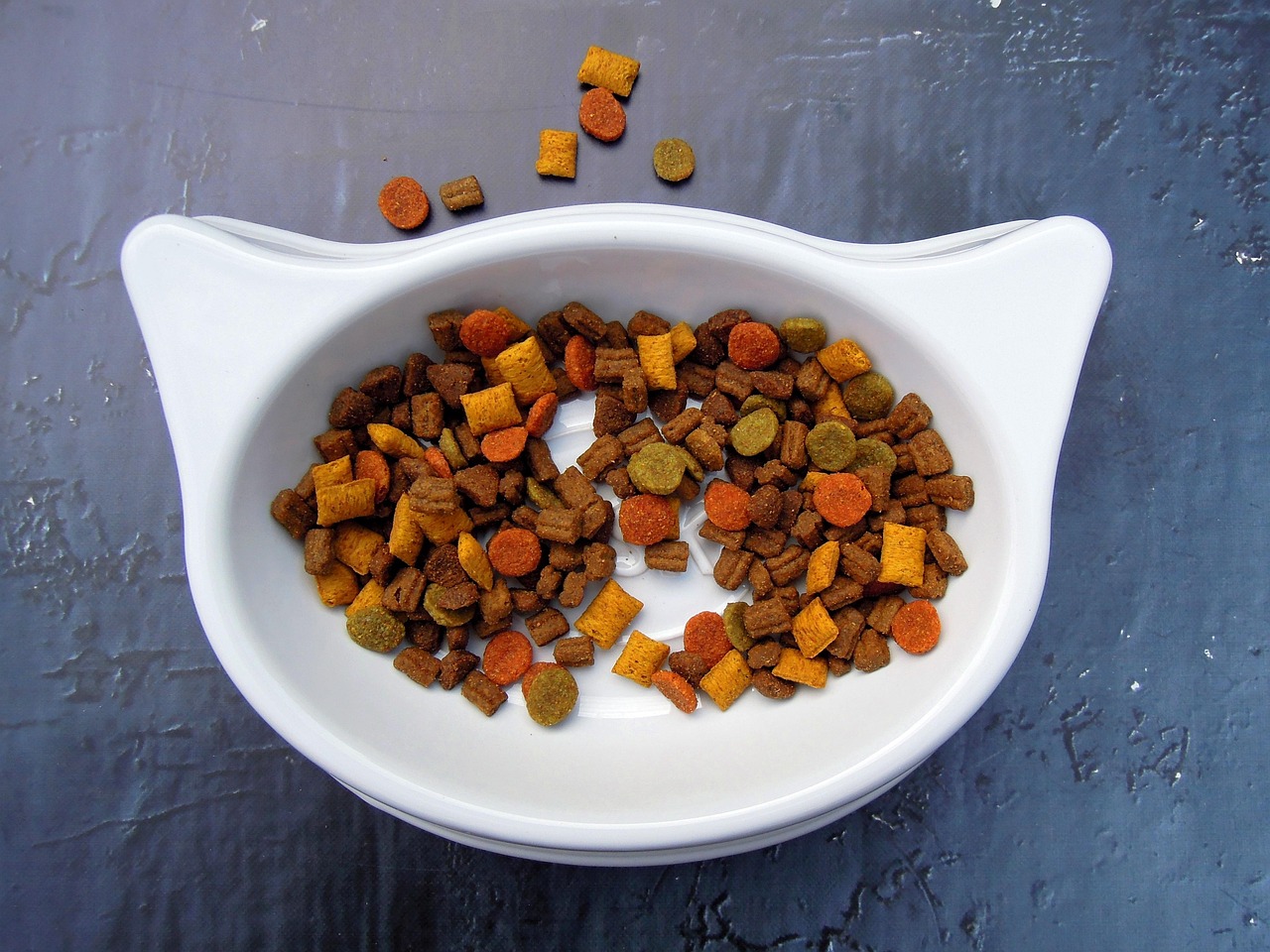
Dry dog food, commonly known as kibble, is favored for its convenience and cost-effectiveness. It typically contains a balanced mix of proteins, fats, carbohydrates, vitamins, and minerals. The process of making kibble involves extruding ingredients at high temperatures, which helps in preserving the food and enhancing its shelf life. However, this process can sometimes degrade certain nutrients.
Kibble is generally high in carbohydrates, which serve as a source of energy. It also has a lower moisture content, usually around 10%, which means that it is less prone to bacterial growth and spoilage. However, the low moisture content requires dogs to drink more water to stay hydrated.
Wet Dog Food
Wet dog food, or canned food, offers higher moisture content, often ranging between 70% to 85%. This can be beneficial for dogs that do not drink enough water, as it helps in maintaining hydration. Wet dog food usually contains higher levels of protein and fat compared to dry food, which can be advantageous for dogs with specific dietary needs.
The canning process preserves the nutrients effectively, and due to its high palatability, wet food is often more appealing to dogs. However, it tends to be more expensive and has a shorter shelf life once opened, necessitating refrigeration and timely consumption.
Dental Health
Dry Dog Food
One of the touted benefits of dry dog food is its contribution to dental health. The crunchy texture of kibble can help in reducing plaque and tartar buildup on dogs’ teeth. Chewing on dry food can act as a natural toothbrush, promoting healthier gums and teeth.
Wet Dog Food
While wet dog food is less beneficial for dental health due to its soft texture, it does not mean it is detrimental. Owners can supplement their dog’s diet with dental chews or regular brushing to maintain oral hygiene. Additionally, for dogs with dental issues or missing teeth, wet food can be easier to consume.
Digestive Health
Dry Dog Food
The high carbohydrate content in dry dog food provides energy but can sometimes lead to digestive issues in sensitive dogs. Some dogs may experience bloating or constipation if they don’t get enough water, as the lack of moisture in kibble might not support optimal digestion.
Wet Dog Food
The higher moisture content in wet dog food can aid digestion and help in preventing constipation. The rich protein content is more aligned with a dog’s natural diet, which can be easier on their digestive system. However, the richness of wet food may cause gastrointestinal upset in some dogs, requiring a gradual introduction to their diet.
Weight Management
Dry Dog Food
Dry dog food is often easier to portion control, which can aid in managing a dog’s weight. The calorie density of kibble means you can feed smaller portions while still providing adequate nutrition. This makes it a convenient option for dogs that need to maintain or lose weight.
Wet Dog Food
Wet dog food is less calorie-dense due to its high moisture content, which means dogs can eat larger portions without consuming too many calories. This can be advantageous for dogs that need to feel full without adding excess weight. However, careful monitoring of portion sizes is important to avoid overfeeding, especially if the wet food is high in fat.
Cost and Convenience
Dry Dog Food
One of the main advantages of dry dog food is its cost-effectiveness. Kibble is generally cheaper per serving compared to wet food. It is also more convenient to store, as it does not require refrigeration and has a longer shelf life. This makes it a practical choice for many dog owners.
Wet Dog Food
Wet dog food, while more expensive, offers the benefit of variety and palatability. Many dogs find wet food more appetizing, which can be useful for picky eaters or dogs with reduced appetite. The requirement for refrigeration and shorter shelf life once opened are considerations in terms of convenience.
Allergies and Sensitivities
Dry Dog Food
Dry dog food often contains grains and fillers that can trigger allergies or sensitivities in some dogs. While many brands offer grain-free options, it is important to carefully check ingredient lists if your dog has known allergies.
Wet Dog Food
Wet dog food may be more suitable for dogs with allergies due to its higher protein content and fewer fillers. Many wet foods are formulated with limited ingredients, making them a better option for dogs with food sensitivities. However, it is still crucial to choose high-quality brands that avoid common allergens.
Conclusion: Which is Healthier?
Deciding whether dry or wet dog food is healthier depends largely on your dog’s individual needs and preferences. Both types of food have their advantages and can be part of a balanced diet. Ultimately, the choice may come down to factors such as your dog’s age, health conditions, lifestyle, and taste preferences.
If convenience, cost, and dental health are top priorities, dry dog food may be the better option. On the other hand, if hydration, palatability, and ease of digestion are more critical, wet dog food could be the right choice. Many pet owners find success in a mixed feeding approach, combining both dry and wet food to provide a well-rounded diet.
Consulting with a veterinarian can provide personalized guidance based on your dog’s specific health needs. Remember, the ultimate goal is to ensure your dog receives a balanced and nutritious diet that supports their overall health and well-being.
#ChatGPT assisted in the creation of this article.