

Introduction
Bringing a new puppy into your home is a joyous occasion, but it also comes with a set of responsibilities, one of which is grooming. Grooming isn’t just about keeping your puppy looking good; it’s also essential for their health and well-being. For new pet owners, understanding the basics of puppy grooming can set the stage for a lifetime of good habits. In this article, we’ll explore essential puppy grooming tips that will help you keep your new furry friend clean, comfortable, and happy.
Understanding Your Puppy’s Coat
The first step in grooming your puppy is understanding their coat type, as this will determine the specific grooming needs. Puppies can have a variety of coat types, including short, long, curly, or wiry hair. Each type has different grooming requirements:
Short Coats
Breeds with short coats, such as Beagles or Boxers, require minimal grooming. However, regular brushing can help reduce shedding and keep the coat healthy.
Long Coats
Breeds like Shih Tzus and Collies have long hair that can easily become tangled. Regular brushing is essential to prevent mats and tangles.
Curly Coats
Poodles and Bichon Frises have curly coats that require regular trimming and brushing to prevent matting.
Wiry Coats
Breeds with wiry coats, such as Terriers, need regular stripping and trimming to maintain their coat’s texture.
Essential Grooming Tools
Having the right tools is crucial for effective grooming. Here are some essential tools every new puppy owner should have:
Brushes and Combs
Choose the right brush for your puppy’s coat type. A slicker brush is great for removing loose hair and tangles, while a bristle brush can help distribute natural oils. A metal comb can be useful for tackling mats.
Nail Clippers
Keeping your puppy’s nails trimmed is important for their comfort and health. Opt for a nail clipper designed specifically for small dogs or puppies.
Shampoo and Conditioner
Use a gentle puppy shampoo and conditioner to keep their coat clean and soft. Avoid human shampoos as they can be too harsh for a puppy’s sensitive skin.
Ear Cleaner
Puppies are prone to ear infections, so regular ear cleaning is essential. Use a vet-recommended ear cleaner to keep their ears healthy.
Establishing a Grooming Routine
Consistency is key when it comes to grooming. Establish a routine early on to help your puppy become accustomed to being handled. Here’s a basic grooming schedule to follow:
Daily Brushing
Spend a few minutes each day brushing your puppy’s coat to prevent tangles and mats. Daily brushing also helps to reduce shedding.
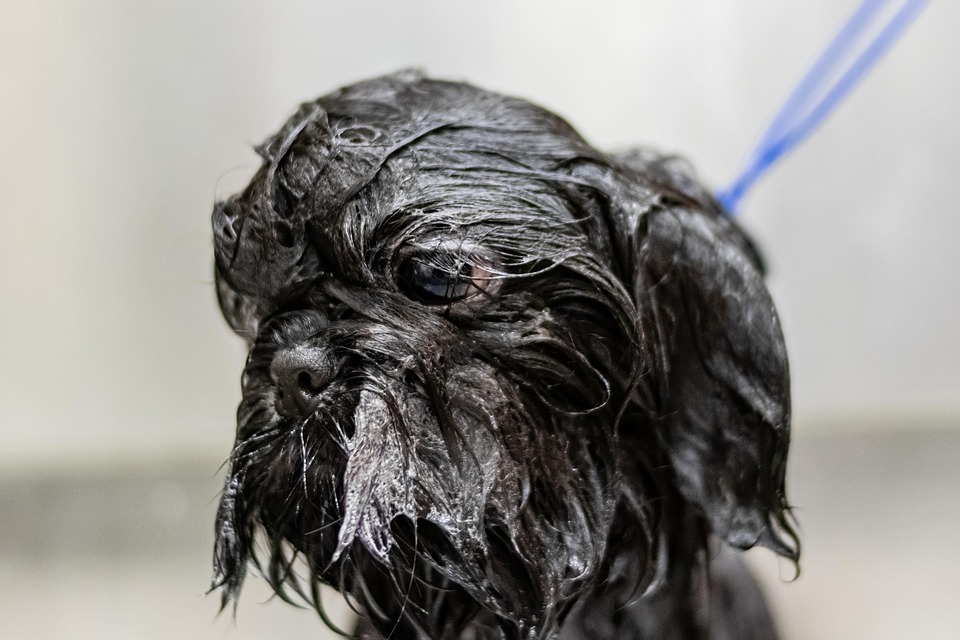
Weekly Bathing
Depending on your puppy’s activity level and coat type, a bath every 1-2 weeks is generally sufficient. Be sure to use lukewarm water and rinse thoroughly.
Monthly Nail Trimming
Trim your puppy’s nails at least once a month or as needed. Be cautious not to cut too close to the quick, which can cause bleeding.
Regular Ear Cleaning
Clean your puppy’s ears every couple of weeks to prevent infections. Gently wipe the outer ear with a cotton ball soaked in ear cleaner.
Handling Grooming Challenges
Grooming can sometimes be challenging, especially if your puppy is nervous or uncooperative. Here are some tips to make the process smoother:
Start Slowly
Introduce grooming tools gradually and allow your puppy to sniff and explore them. Reward them with treats and praise to create a positive association.
Use Distractions
Keep your puppy occupied with a chew toy or a treat-dispensing toy while you groom them.
Break it Down
If your puppy is restless, break the grooming session into shorter, more manageable segments.
Seek Professional Help
If you’re struggling with grooming, consider hiring a professional groomer to help you establish a routine.
Health Benefits of Regular Grooming
Regular grooming is not just about aesthetics; it also offers numerous health benefits for your puppy:
Improved Skin and Coat Health
Regular brushing helps distribute natural oils, promoting a healthy and shiny coat.
Early Detection of Health Issues
Grooming allows you to check for signs of skin infections, parasites, or lumps, enabling early intervention.
Reduced Shedding
Regular brushing can help reduce shedding and keep your home cleaner.
Stronger Bond
Grooming provides quality bonding time between you and your puppy, strengthening your relationship.
Conclusion
Grooming is an essential part of being a responsible pet owner. By understanding your puppy’s coat type, investing in the right tools, and establishing a consistent grooming routine, you can help ensure your new furry friend looks and feels their best. While grooming can be challenging at times, patience and persistence will pay off in the long run, resulting in a healthy, happy puppy and a stronger bond between you and your pet.
Final Thoughts
Remember that grooming is a lifelong commitment. As your puppy grows, their grooming needs may change, so stay informed and adapt your routine as needed. With the right approach, grooming can become an enjoyable and rewarding experience for both you and your puppy.