

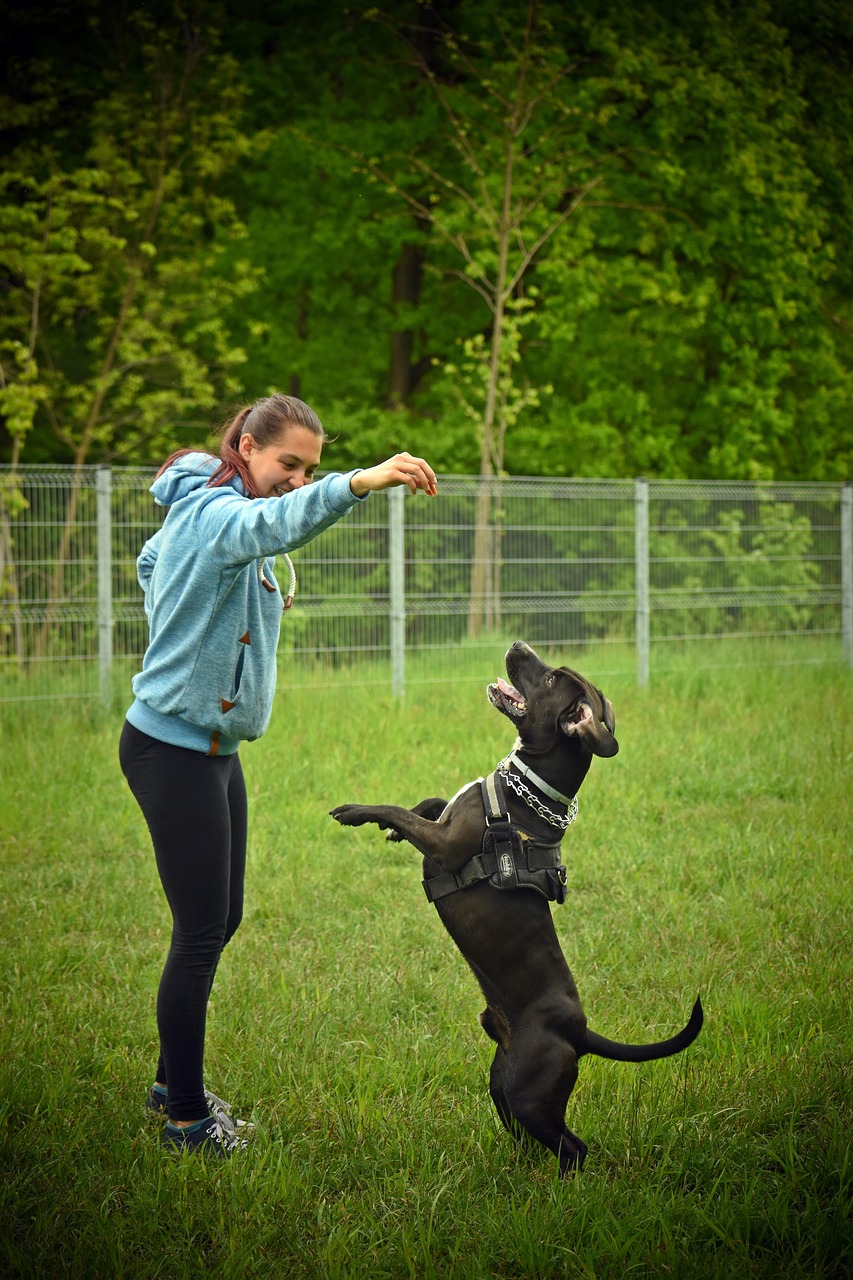
House training is one of the most important aspects of raising a dog, whether it’s a playful puppy or an adult dog adapting to a new household. Successfully teaching your dog to understand house rules can foster a harmonious living environment and strengthen your bond. This article delves into essential tips and strategies to help you master house training your dog, ensuring a happy and well-adjusted pet.
Understanding Your Dog’s Needs
Before embarking on the house training journey, it’s crucial to understand your dog’s basic needs. Dogs are creatures of habit, and they thrive in environments where they know what to expect. They need regular feeding schedules, consistent outdoor access, and positive reinforcement to learn effectively.
Establishing a Routine
Consistency is key in house training. Dogs learn through repetition and a well-established routine. Feed your dog at the same times each day and take them outside immediately after meals. Regularly scheduled walks provide opportunities for your dog to relieve themselves and understand that outside is the appropriate place for this behavior.
Recognizing Signs
Learn to recognize the signs that your dog needs to go outside. Common indicators include sniffing the ground, circling, whining, or scratching at the door. By responding promptly to these cues, you can prevent accidents and reinforce positive behavior.
Creating a Designated Elimination Area
Designating a specific potty area helps your dog understand where it’s appropriate to relieve themselves. Take your dog to this spot consistently, and they will begin to associate it with going to the bathroom, reducing confusion and accidents inside the house.
Using Commands
Incorporate simple commands like “go potty” or “do your business” when you take your dog outside. Using the same phrase each time will help your dog associate the command with the action, making it easier for them to understand what you expect.
Positive Reinforcement
Positive reinforcement is a powerful tool in house training. Reward your dog immediately after they successfully eliminate outside. Praise, treats, or playtime can motivate your dog to repeat the desired behavior.
Timing is Everything
Timing is crucial when using positive reinforcement. Ensure you give the reward immediately after your dog eliminates outside. Delayed rewards can confuse your dog, as they might not associate the reward with the correct behavior.
Dealing with Accidents
Accidents are inevitable during the house training process, but how you handle them can impact your dog’s learning. It’s important to stay calm and avoid punishment, as this can create fear and anxiety, making training more challenging.
Clean Up Properly
When accidents occur, clean the area thoroughly with an enzymatic cleaner to remove odors. This helps prevent your dog from returning to the same spot, which they might do if they can still smell traces of their previous accident.
Remain Patient
Patience is critical. Remember that house training is a process, and every dog learns at their own pace. Consistent training and positive reinforcement will eventually yield results, so stay committed to the process.
Crate Training as a Tool
Crate training can be a highly effective component of house training. When used correctly, a crate provides a safe and secure environment for your dog and can help prevent accidents when you’re not able to supervise them closely.
Choosing the Right Crate
Select a crate that is appropriately sized for your dog. It should be large enough for them to stand, turn around, and lie down comfortably, but not so large that they can use one end as a bathroom.
Introducing the Crate
Introduce your dog to the crate gradually, making it a positive experience. Use treats and toys to encourage your dog to enter the crate willingly. Initially, keep crate sessions short and gradually increase the duration as your dog becomes more comfortable.
Consistency Across the Household
Consistency is not only about routines but also about household rules. Ensure that all family members are on the same page regarding house training methods and expectations. Mixed messages can confuse your dog and hinder their learning.
Communication with Family
Discuss and establish clear rules and commands with everyone involved in your dog’s care. Consistent language and actions from all members of the household will aid in reinforcing training.
Troubleshooting Common Challenges
Even with the best strategies, challenges can arise during house training. Understanding and addressing these issues promptly can help keep your training on track.
Regression
Sometimes, a dog may regress in their training, especially if there’s a change in routine or environment. Revisit basic training principles, reinforce positive behavior, and remain patient during these times.
Medical Issues
If your dog suddenly starts having frequent accidents or exhibits other unusual behaviors, consult your veterinarian to rule out any medical issues. Conditions such as urinary tract infections can affect a dog’s ability to control their bladder.
Conclusion
Mastering house training is a vital step in ensuring a well-behaved and happy dog. By understanding your dog’s needs, establishing a consistent routine, using positive reinforcement, and remaining patient and compassionate, you can successfully train your dog to follow house rules. Remember, each dog is unique, and adapting these tips to suit your dog’s individual personality and needs will make the training process more effective and enjoyable for both of you.
#ChatGPT assisted in the creation of this article.