

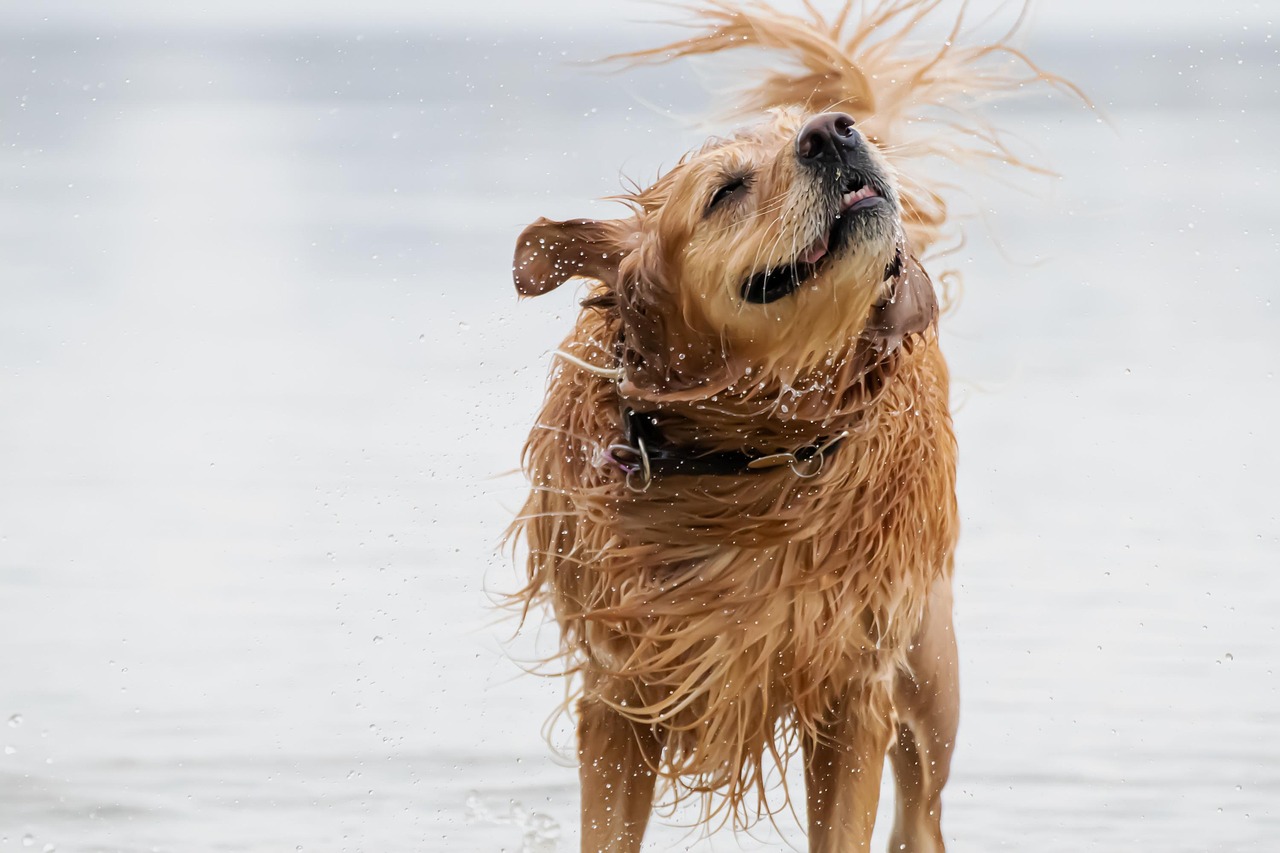
Bathing your dog is an essential component of a comprehensive grooming routine, crucial for maintaining their overall health and well-being. However, determining the optimal frequency for bathing your dog depends on various factors, including their breed, coat type, lifestyle, and any specific skin conditions they may have. In this article, we will explore these factors in detail to help you tailor a bathing schedule that suits your dog’s individual needs.
The Importance of Bathing
Regular bathing helps remove dirt, allergens, and loose hair from your dog’s coat, preventing skin irritation and promoting a healthy, shiny coat. It also provides an opportunity to check for any unusual lumps, bumps, or parasites that might require veterinary attention. Moreover, a clean dog is a more pleasant companion, both in terms of appearance and odor.
Factors Influencing Bathing Frequency
Various factors influence how often you should bathe your dog. Understanding these factors will help ensure that you do not over-bathe or under-bathe your furry friend.
Breed and Coat Type
Different breeds have different grooming needs based on their coat type. Dogs with oily coats, such as Basset Hounds, may require more frequent baths to control natural oils and odor. In contrast, breeds with water-repellent coats, like Labrador Retrievers, require less frequent bathing to preserve their coat’s natural oils.
Dogs with thick, double coats, such as Huskies or Malamutes, may need fewer baths to avoid stripping away essential oils. These breeds benefit more from regular brushing to remove loose fur and debris.
Activity Level and Environment
Dogs that spend a lot of time outdoors or are particularly active may need more frequent baths to remove dirt, mud, and allergens they encounter. If your dog loves rolling in the dirt or swimming in lakes, they will likely require more regular cleaning than a dog that spends most of their time indoors.
Skin and Health Conditions
Dogs with certain skin conditions, allergies, or sensitivities may have specific bathing requirements. For example, dogs with seborrhea, a condition causing flaky, itchy skin, may benefit from medicated shampoos and more frequent baths as recommended by a veterinarian. Always consult your vet for tailored advice if your dog has any skin issues.
General Guidelines for Bathing Frequency
While each dog is unique, here are some general guidelines to help you determine an appropriate bathing frequency:
Short-Haired Breeds
Short-haired breeds, like Beagles or Bulldogs, typically require less frequent bathing, around once every 6 to 8 weeks. Their coats do not trap dirt as easily, and over-bathing can lead to dry skin.
Long-Haired Breeds
Long-haired breeds, such as Afghan Hounds or Shih Tzus, benefit from more regular baths, about once every 4 to 6 weeks. Regular grooming and brushing in between baths will help maintain their coat’s health and prevent tangles.
Oily-Coated Breeds
Breeds with oily coats may need baths as often as once every 3 to 4 weeks to control oil levels and odor. However, it’s essential to use a gentle, dog-specific shampoo to avoid skin irritation.
Double-Coated Breeds
Double-coated breeds require less frequent bathing, perhaps once every 8 to 12 weeks. Frequent brushing is more critical for these breeds to manage shedding and maintain a healthy coat.
Choosing the Right Shampoo
Selecting a suitable shampoo is as important as determining bathing frequency. Always use a shampoo specifically formulated for dogs, as human shampoos can be too harsh and disrupt your dog’s skin pH balance. If your dog has sensitive skin or specific conditions, consult your veterinarian for recommendations on medicated or hypoallergenic shampoos.
Signs Your Dog Needs a Bath
Regardless of the general guidelines, it’s essential to be observant of your dog’s condition. Here are some signs that indicate your dog may need a bath:
– Odor: If your dog has an unpleasant odor that brushing doesn’t resolve, it’s time for a bath.
– Dirt and Debris: Visible dirt or debris on your dog’s coat is a clear sign they need a bath.
– Itching and Scratching: If your dog is scratching more than usual, a bath might help remove irritants causing the discomfort.
– Dull Coat: A lackluster coat can indicate a need for a bath to remove excess oils and dirt.
Steps for Bathing Your Dog
Bathing your dog can be a rewarding experience for both you and your furry companion. Follow these steps to ensure a successful bath:
Preparation
– Gather all necessary supplies, including dog shampoo, towels, and a brush.
– Choose a suitable location, such as a bathtub or a pet-friendly shower area.
– Brush your dog’s coat thoroughly to remove tangles and loose fur.
During the Bath
– Use lukewarm water to wet your dog’s coat thoroughly.
– Apply a small amount of dog shampoo, starting from the neck and working your way down.
– Gently massage the shampoo into their coat, avoiding the eyes and ears.
– Rinse your dog thoroughly to remove all shampoo residue.
After the Bath
– Dry your dog with a towel, and if necessary, use a blow dryer on a low, cool setting.
– Brush their coat again to prevent tangles and distribute natural oils.
Conclusion
Determining the optimal bathing frequency for your dog requires understanding their unique needs and lifestyle. By considering factors such as breed, coat type, activity level, and any skin conditions, you can establish a bathing routine that keeps your dog healthy and happy. Remember to choose appropriate grooming products and be attentive to signs indicating your dog needs a bath. With the right approach, bathing can be a stress-free and beneficial part of your dog’s grooming routine.
#ChatGPT assisted in the creation of this article.