

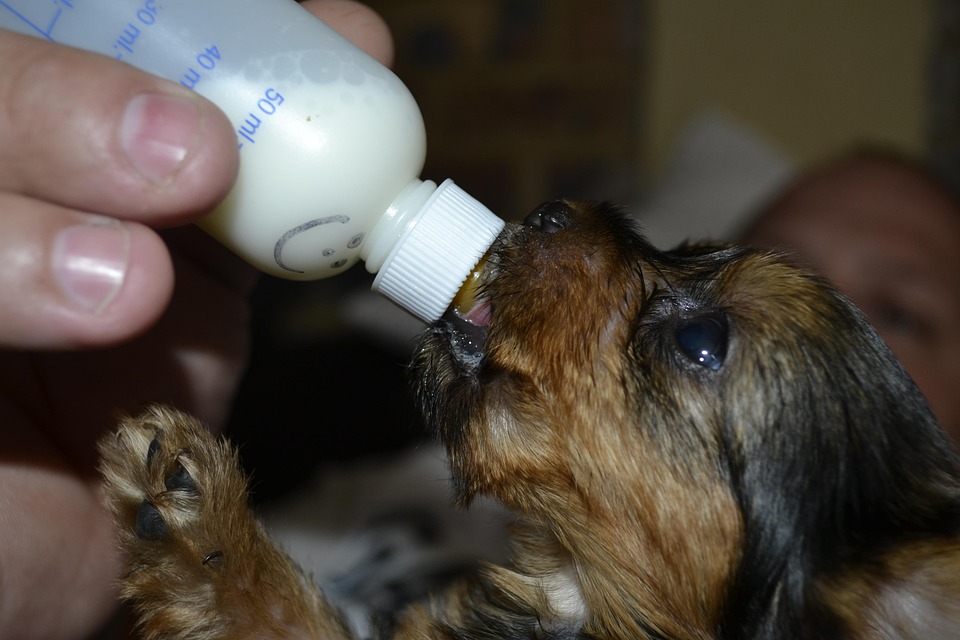
Bringing a new puppy into your home is a joyous occasion, filled with the promise of companionship and playful antics. However, just like any young creature, puppies require special attention to their diet to ensure healthy growth and development. An optimal feeding schedule is crucial, as it lays the foundation for a healthy life ahead. This article will guide you through the essentials of feeding your puppy, helping you establish a schedule that promotes robust health and vitality.
Understanding Puppy Nutritional Needs
Puppies grow at an astonishing rate, and their nutritional needs are distinct from those of adult dogs. They require a diet rich in protein, fats, vitamins, and minerals to support the rapid development of bones, muscles, and organs. The energy requirements of puppies are also higher, necessitating a carefully balanced diet to fuel their growth and energetic nature.
The Role of Protein
Protein is a fundamental component of a puppy’s diet, playing a critical role in the development of muscles and tissues. High-quality animal protein sources such as chicken, beef, and fish are excellent choices, as they provide essential amino acids that puppies need for optimal growth.
Importance of Fats
Fats are another vital component, providing a concentrated source of energy that supports a puppy’s high activity levels. They also aid in the absorption of fat-soluble vitamins, contribute to healthy skin and coat, and are crucial for brain development.
Vitamins and Minerals
Vitamins and minerals are necessary for a variety of bodily functions. Calcium and phosphorus, for instance, are essential for developing strong bones and teeth, while Omega-3 and Omega-6 fatty acids support cognitive development and immune function.
Establishing a Feeding Schedule
Creating a consistent feeding schedule is essential for your puppy’s health and well-being. A regular routine helps regulate digestion and metabolism and can prevent overeating and obesity. The appropriate schedule depends on the puppy’s age, breed, and size.
0-12 Weeks: Frequent Feedings
During the first three months of life, puppies need frequent feedings to support their rapid growth. It’s generally recommended to feed young puppies four times a day. This frequent feeding ensures they have a steady supply of energy and nutrients throughout the day.
3-6 Months: Transition to Three Meals
As puppies grow, their stomach capacity increases, allowing them to transition to fewer meals. Between three to six months, reducing the number of meals to three times a day is usually sufficient. This transition should be gradual to ensure the puppy adapts well.
6-12 Months: Moving Towards an Adult Schedule
By the time puppies are six months old, they can typically be fed twice a day. This schedule aligns more closely with adult feeding routines and helps establish long-term habits. It’s important to monitor the puppy’s growth and adjust portions as needed to avoid overfeeding.
Choosing the Right Food
Selecting the appropriate food for your puppy is as important as the feeding schedule itself. High-quality commercial puppy food is designed to meet the specific nutritional needs of growing puppies. When choosing a food, look for products that are specifically labeled for puppies and endorsed by reputable organizations like the Association of American Feed Control Officials (AAFCO).
Dry Kibble vs. Wet Food
Both dry kibble and wet food have their advantages. Dry kibble is convenient, helps maintain dental health, and is generally more affordable. Wet food, on the other hand, is more palatable and can be easier for young puppies to eat. Many owners opt for a combination of both to provide variety and ensure complete nutrition.
Reading Labels
Understanding food labels is crucial when selecting puppy food. Look for foods with high-quality protein sources listed as the first ingredient. Avoid foods with excessive fillers, artificial preservatives, or low-quality by-products. A well-balanced puppy food will contain all the essential nutrients needed for healthy growth.
Monitoring Growth and Health
Regular monitoring of your puppy’s growth and health is essential to ensure that their feeding schedule and diet are effective. Puppies should have a steady weight gain, bright eyes, a shiny coat, and high energy levels. If you notice any issues such as digestive problems or lethargy, consult your veterinarian for advice.
Adjusting Portions
As your puppy grows, it’s important to adjust food portions to match their changing needs. Overfeeding can lead to obesity, which poses health risks, while underfeeding can result in nutritional deficiencies. Regularly weigh your puppy and consult your veterinarian to ensure appropriate portion sizes.
Veterinary Check-Ups
Routine veterinary check-ups are essential for monitoring your puppy’s health and development. Your veterinarian can provide guidance on diet, detect any potential health issues early, and offer advice tailored to your puppy’s specific needs.
Common Feeding Mistakes to Avoid
Avoiding common feeding mistakes can help ensure your puppy’s healthy growth. One frequent mistake is overfeeding, which can lead to obesity and associated health problems. It’s also important to avoid feeding human foods, as some can be toxic to dogs. Stick to a balanced diet designed specifically for puppies.
Inconsistency
Inconsistency in feeding times or portion sizes can disrupt your puppy’s digestion and lead to behavioral issues. Establishing and maintaining a regular feeding schedule provides stability and helps regulate metabolism.
Ignoring Individual Needs
While general guidelines for feeding are helpful, it’s important to consider your puppy’s individual needs. Factors such as breed, activity level, and health conditions can influence dietary requirements. Tailor the feeding schedule and portions to accommodate your puppy’s unique needs.
Conclusion
An optimal puppy feeding schedule is more than just a routine; it’s an essential component of ensuring your puppy’s healthy growth and development. By understanding their nutritional needs, establishing a consistent feeding schedule, selecting high-quality food, and monitoring their health, you can provide the best possible start for your furry friend. Remember, each puppy is unique, and adjustments may be necessary to accommodate their specific requirements. With careful attention and love, you can set your puppy on the path to a healthy and happy life.
#ChatGPT assisted in the creation of this article.