

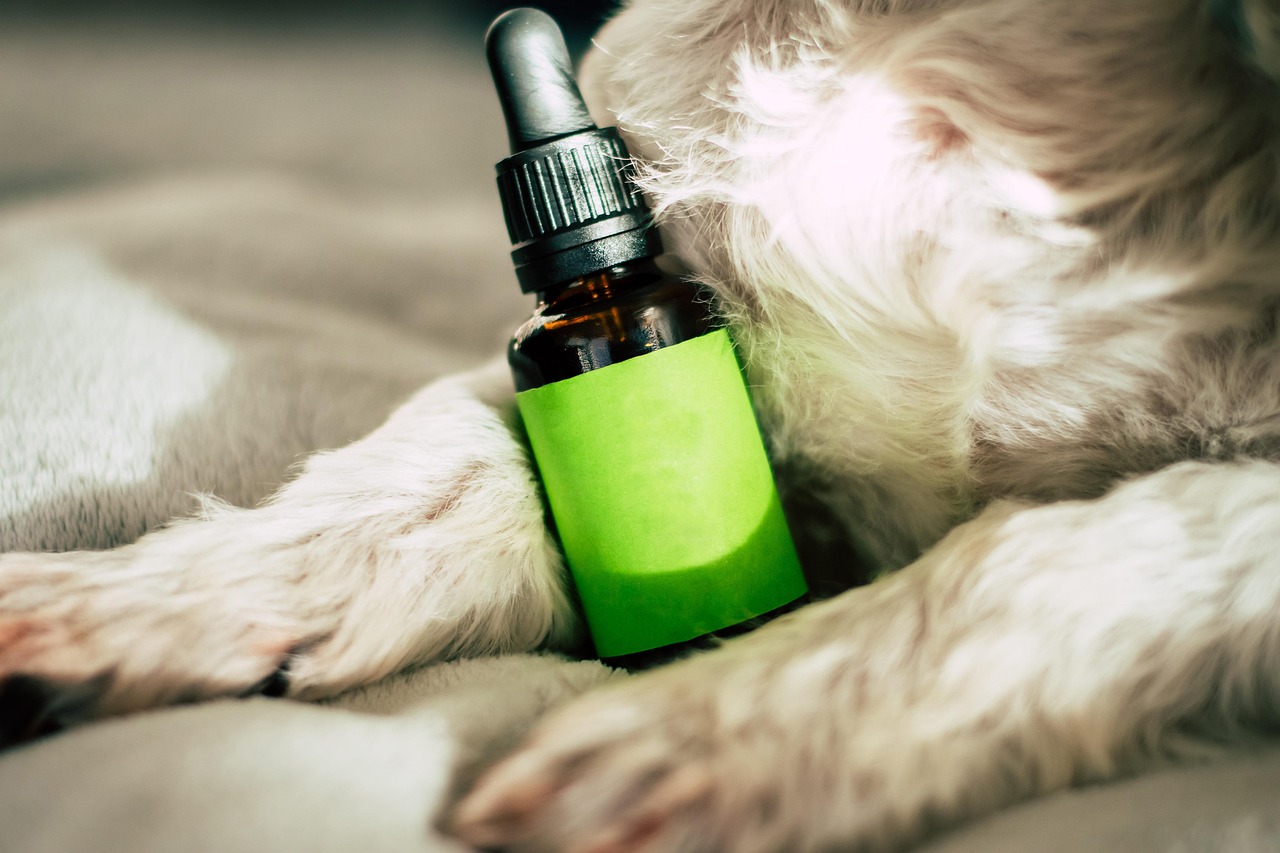
Probiotics have become increasingly popular in human nutrition, and it’s no surprise that they are gaining traction in the realm of pet care as well. Probiotics are live microorganisms that can offer numerous health benefits when taken in adequate amounts. For dogs, these benefits can range from improved digestion to enhanced immune function and beyond. This article explores the various advantages of incorporating probiotics into your dog’s diet, the science behind them, and practical tips for choosing and administering probiotics to your canine companion.
What Are Probiotics?
Probiotics are beneficial bacteria and yeasts that naturally reside in the gastrointestinal tract. They play a crucial role in maintaining a balanced microflora, which is essential for proper digestion, nutrient absorption, and immune function. In dogs, as in humans, gut health is intrinsically linked to overall well-being. An imbalance in gut flora can lead to a range of issues, including digestive disorders, allergies, and even behavioral problems.
The Science Behind Probiotics
The canine gut is home to a complex ecosystem of microorganisms. A healthy gut microbiome is dominated by beneficial bacteria, but factors such as poor diet, stress, illness, or antibiotics can disrupt this balance, leading to dysbiosis. Probiotics help restore equilibrium by replenishing beneficial bacteria and outcompeting harmful pathogens.
Research has shown that probiotics can modulate the immune system, reduce inflammation, and even influence behavior through the gut-brain axis. Their ability to produce short-chain fatty acids and other metabolites further underscores their importance in maintaining gut health and supporting the overall health of your dog.
Benefits of Probiotics for Dogs
Improved Digestive Health
One of the most well-documented benefits of probiotics is their positive impact on digestive health. Probiotics can help manage and prevent issues such as diarrhea, constipation, and irritable bowel syndrome (IBS). They aid in the breakdown of food, enhance nutrient absorption, and support regular bowel movements.
Enhanced Immune Function
A significant portion of the immune system is located in the gut. By maintaining a healthy balance of gut bacteria, probiotics can bolster the immune response, making your dog less susceptible to infections and illnesses. Regular intake of probiotics has been shown to reduce the frequency and severity of respiratory infections and allergic reactions.
Alleviation of Allergies and Skin Conditions
Probiotics can play a role in managing allergies and skin conditions in dogs by reducing inflammation and modulating immune responses. They can help alleviate symptoms of atopic dermatitis and other allergic skin conditions, providing relief for your furry friend.
Support for Mental and Emotional Well-being
The gut-brain axis is a bidirectional communication network that links the gastrointestinal tract and the brain. Probiotics can influence this connection, potentially reducing anxiety and stress in dogs. A balanced gut microbiome is associated with improved mood and behavior, making probiotics a valuable tool for managing behavioral issues.
Weight Management
Emerging research suggests that probiotics may aid in weight management by influencing metabolism and fat storage. While more studies are needed, there is potential for probiotics to assist in maintaining a healthy weight, especially in dogs prone to obesity.
Choosing the Right Probiotic for Your Dog
With a plethora of probiotic products available on the market, selecting the right one for your dog can be overwhelming. Here are some key considerations:
Strain Specificity
Different probiotic strains offer distinct benefits. Look for products that contain specific strains known for their efficacy in dogs, such as Lactobacillus acidophilus, Bifidobacterium animalis, and Enterococcus faecium.
Quality and Viability
Ensure the product is of high quality and contains live, viable microorganisms. Check for certifications and opt for products that guarantee a certain number of colony-forming units (CFUs) until the expiration date.
Formulation
Probiotics are available in various forms, including powders, capsules, chews, and treats. Choose a formulation that is convenient for you and palatable for your dog.
Consultation with a Veterinarian
Before introducing probiotics to your dog’s diet, consult with your veterinarian, especially if your dog has underlying health conditions or is on medication. Your vet can recommend the most suitable probiotic based on your dog’s specific needs.
Administering Probiotics to Dogs
Introducing probiotics to your dog’s diet should be done gradually. Start with a small dose and monitor your dog for any adverse reactions. If well-tolerated, gradually increase the dosage to the recommended level.
Consistency is key to reaping the full benefits of probiotics. Administer them daily, preferably at the same time each day, to establish a routine. Some probiotics may require refrigeration to maintain their efficacy, so follow the storage instructions on the product label.
Conclusion
Probiotics offer a myriad of health benefits for dogs, from enhancing digestive health to supporting the immune system and beyond. By choosing the right probiotic and administering it correctly, you can help improve your dog’s overall well-being and quality of life. As with any dietary supplement, it’s essential to consult with a veterinarian to ensure that probiotics are appropriate for your dog’s individual needs. By unlocking the benefits of probiotics, you are investing in your dog’s long-term health and happiness.
References
1. Hill, C., et al. (2014). Expert consensus document: The International Scientific Association for Probiotics and Prebiotics consensus statement on the scope and appropriate use of the term probiotic. Nature Reviews Gastroenterology & Hepatology, 11(8), 506-514.
2. Schmitz, S., & Suchodolski, J. S. (2016). Understanding the canine intestinal microbiota and its modification by pro-, pre-and synbiotics–what is the evidence? Veterinary Medicine and Science, 2(2), 71-94.
3. Ziese, A. L., & Suchodolski, J. S. (2020). Impact of changes in gastrointestinal microbiota in canine and feline digestive diseases. Veterinary Clinics: Small Animal Practice, 50(1), 221-235.
4. McCoy, S., & Gilliland, S. E. (2021). The role of probiotics in the management of canine health. Journal of Animal Science, 99(Supplement_1), 1-10.
#ChatGPT assisted in the creation of this article.