

Ensuring your dog has a healthy coat is not just about aesthetics; it’s crucial for their overall health and well-being. The condition of a dog’s skin and coat can be a visible indicator of their internal health. A shiny, smooth coat signifies a happy and healthy dog, while a dull or flaky coat can indicate underlying health issues. In this article, we’ll explore essential skin care tips to keep your dog’s coat in optimal condition.
Understand Your Dog’s Coat Type
Before you can effectively care for your dog’s coat, it’s important to understand its type. Dogs can have different coat types, including smooth, double, wiry, curly, or hairless. Each type requires specific grooming techniques and care routines:
- Smooth Coats: These are the easiest to maintain, requiring regular brushing to remove loose hair and distribute natural oils.
- Double Coats: Found in breeds like Huskies and Golden Retrievers, these require regular brushing to prevent matting and to manage shedding.
- Wiry Coats: Breeds like Terriers have wiry coats that need hand-stripping or clipping to maintain texture.
- Curly Coats: Poodles and similar breeds need frequent grooming to prevent matting and tangles.
- Hairless Breeds: These require special skin care to protect against sunburn and dryness.
Regular Brushing
Brushing is one of the most important aspects of maintaining a healthy coat. It helps to remove dirt, debris, and loose hair, preventing mats and tangles. Additionally, brushing helps to distribute natural oils produced by the skin, which keeps the coat shiny and healthy.
Benefits of Regular Brushing
- Prevents Matting: Regular brushing prevents hair from tangling and forming painful mats.
- Reduces Shedding: By removing loose hair, brushing can significantly reduce the amount of hair your dog sheds around the house.
- Stimulates Skin and Hair Follicles: Brushing promotes blood circulation, which can lead to healthier skin and coat.
Proper Nutrition
A well-balanced diet is fundamental for maintaining healthy skin and coat. Ensure your dog’s diet includes high-quality proteins, healthy fats, vitamins, and minerals. Omega-3 and Omega-6 fatty acids are particularly beneficial for skin health, promoting a glossy coat and reducing inflammation.
Key Nutrients for a Healthy Coat
- Protein: Essential for hair growth and repair.
- Omega-3 and Omega-6 Fatty Acids: Help maintain skin elasticity and moisture.
- Vitamins A and E: Support skin health and repair.
- Zinc and Biotin: Promote a healthy skin barrier and coat.
Regular Bathing
While dogs don’t need to be bathed as frequently as humans, regular baths are important for maintaining a healthy coat. How often you should bathe your dog depends on their coat type, lifestyle, and any skin conditions they may have. Generally, bathing once a month is sufficient for most dogs, but those with oily skin or those prone to allergies may require more frequent baths.
Choosing the Right Shampoo
Always use a dog-specific shampoo, as human shampoos can disrupt the pH balance of a dog’s skin, leading to irritation. If your dog has sensitive skin, consider hypoallergenic or oatmeal-based shampoos. For dogs with specific skin conditions, consult your veterinarian for medicated shampoo recommendations.
Monitor and Address Skin Conditions
Regularly check your dog’s skin for any signs of irritation, infection, or parasites. Common skin issues include fleas, ticks, allergies, and dermatitis. If you notice excessive scratching, redness, or hair loss, consult your veterinarian to diagnose and treat the condition promptly.
Common Skin Conditions
- Fleas and Ticks: Regularly check for these parasites and use preventative treatments as recommended by your vet.
- Allergies: Symptoms may include itching, redness, and ear infections. Work with your vet to identify allergens and manage symptoms.
- Dermatitis: This can be caused by various factors including allergies and infections. Proper diagnosis and treatment are essential.
Hydration
Keeping your dog hydrated is crucial for their overall health, including their skin and coat. Ensure your dog has access to fresh, clean water at all times. Proper hydration helps maintain skin elasticity and prevents dryness and flakiness.
Protection from Environmental Factors
Environmental factors such as sun, wind, and cold weather can affect your dog’s skin and coat. During hot weather, provide shade and limit sun exposure to prevent sunburn, especially for hairless or light-colored dogs. In cold weather, consider a dog coat or sweater for breeds with short or thin coats.
Seasonal Skin Care Tips
- Summer: Use dog-friendly sunscreen and keep your dog well-groomed to prevent overheating.
- Winter: Moisturize your dog’s skin with a vet-recommended product to prevent dryness and cracking.
Professional Grooming
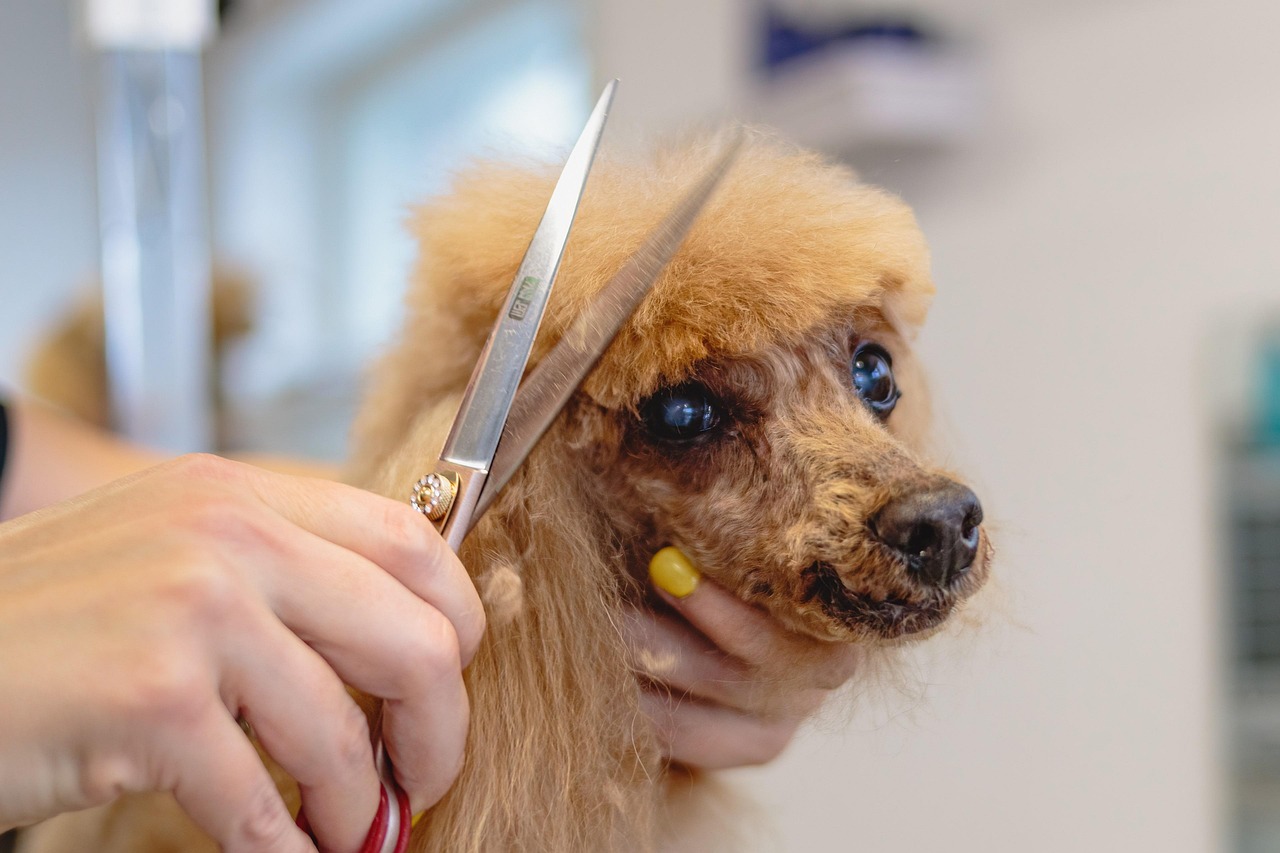
While regular at-home grooming is essential, professional grooming can provide additional benefits. A professional groomer can effectively trim your dog’s coat, clean their ears, and clip their nails. They can also identify any potential skin issues that may have been overlooked.
Conclusion
Maintaining a healthy coat is a vital aspect of your dog’s well-being. By understanding your dog’s coat type, providing proper nutrition, engaging in regular grooming, and monitoring for skin issues, you can ensure your dog’s coat remains healthy and shiny. Remember, a happy dog is a healthy dog, and their coat is a reflection of their overall health.
#ChatGPT assisted in the creation of this article.