

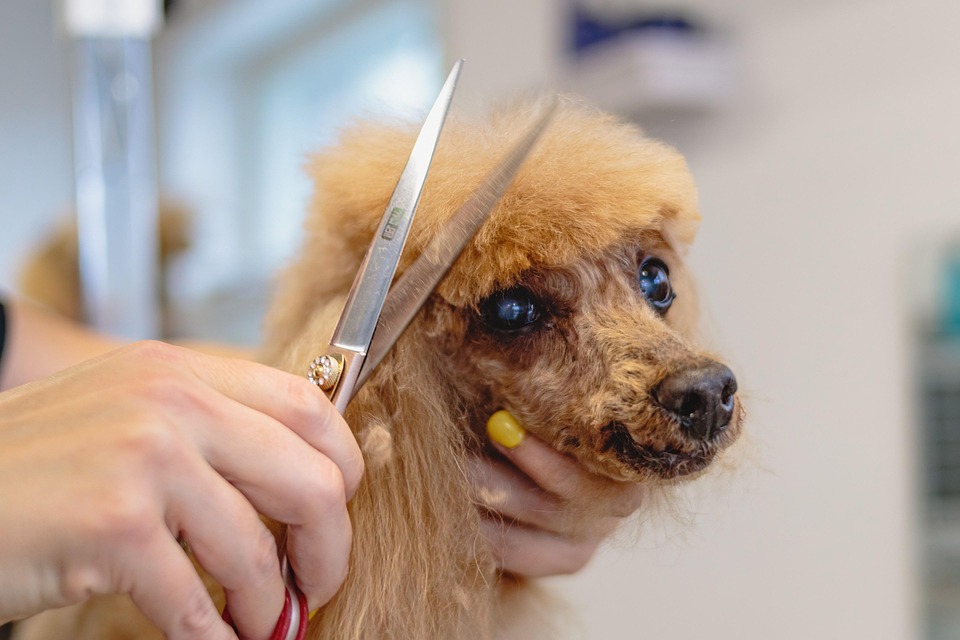
A dog’s coat is not just a matter of aesthetics; it plays a crucial role in their overall health and well-being. Proper coat care ensures your furry friend is comfortable, protected, and looks their best. In this ultimate guide, we’ll delve into the essentials of dog coat care, providing you with the tools and knowledge you need to maintain healthy fur.
Understanding Different Coat Types
Before diving into care techniques, it’s important to understand the variety of coat types dogs can have. Recognizing your dog’s coat type will help tailor your grooming routine to their specific needs.
Short Coats
Short-coated dogs, such as Beagles and Boxers, have hair that is less than an inch long. These coats typically require less maintenance, but they still benefit from regular grooming to remove dead hair and distribute natural oils.
Medium Coats
Breeds like Golden Retrievers and Border Collies feature medium-length coats. These dogs need frequent brushing to prevent tangles and matting, as well as to keep their fur clean and shiny.
Long Coats
Long-haired breeds, such as Shih Tzus and Afghan Hounds, require more intensive grooming. Their coats are prone to tangling and matting, necessitating daily brushing and regular trims to maintain their condition.
Double Coats
Double-coated breeds, like Siberian Huskies and German Shepherds, have a dense undercoat beneath a longer topcoat. These dogs require thorough grooming to manage shedding and keep their coat healthy.
The Importance of Regular Brushing
Brushing is a fundamental aspect of dog coat care that offers numerous benefits. It helps remove dirt, debris, and loose fur while distributing natural oils that keep the coat shiny and healthy. Regular brushing also reduces shedding and minimizes the risk of matting.
Choosing the Right Brush
Selecting the appropriate brush for your dog’s coat type is essential. Slicker brushes are ideal for removing tangles and mats, while bristle brushes work well for smoothing and polishing the coat. For double-coated breeds, an undercoat rake is effective in removing loose fur from the undercoat.
Brushing Techniques
When brushing your dog, start at the head and work toward the tail, using gentle, even strokes. Be sure to cover all areas, including the underbelly and legs. Always be gentle to avoid irritating your dog’s skin, and use detangling spray if necessary to ease the process.
Bathing Your Dog
Bathing is another critical component of coat care, but it should be done with caution to prevent skin irritation. Overbathing can strip natural oils from the coat, leading to dryness and itchiness.
How Often to Bathe
The frequency of bathing depends on your dog’s breed, coat type, and lifestyle. Generally, dogs should be bathed every four to six weeks. However, dogs with oily skin or those that spend a lot of time outdoors may require more frequent baths.
Choosing the Right Shampoo
Always use a shampoo formulated specifically for dogs, as human shampoos can disrupt the pH balance of their skin. For dogs with sensitive skin, hypoallergenic or oatmeal-based shampoos are recommended. If your dog has a specific skin condition, consult your veterinarian for appropriate products.
Bathing Process
Before bathing, brush your dog to remove loose fur and tangles. Wet their coat thoroughly with lukewarm water, apply shampoo, and massage it into a lather. Rinse thoroughly to ensure no residue remains, as this can irritate the skin. Finish by drying your dog with a towel or a hairdryer on a low setting.
Dealing with Mats and Tangles
Mats and tangles can be uncomfortable for your dog and, if left untreated, may lead to skin issues. Regular grooming can help prevent these problems, but it’s crucial to address them promptly if they occur.
Prevention Strategies
To prevent mats and tangles, establish a consistent grooming routine that includes regular brushing and detangling. Pay special attention to areas prone to matting, such as behind the ears, under the legs, and around the neck.
Removing Mats and Tangles
If you encounter a mat, gently work through it with your fingers or a mat splitter, being careful not to pull on the skin. For severe mats, it may be necessary to cut them out using blunt-tipped scissors. If you’re unsure how to handle a mat, consult a professional groomer for assistance.
Nutrition and Coat Health
A balanced diet plays a vital role in maintaining a healthy coat. Nutritional deficiencies can lead to dull, brittle fur and increased shedding.
Essential Nutrients
Proteins, omega-3 and omega-6 fatty acids, and vitamins A, E, and B-complex are vital for coat health. High-quality dog food typically contains these nutrients, but supplements may be necessary if your dog has specific dietary needs.
Hydration
Ensure your dog has access to fresh water at all times. Proper hydration supports skin health and contributes to a shiny, healthy coat.
When to Seek Professional Help
While regular at-home grooming is essential, there are times when professional intervention is necessary. If your dog has a particularly challenging coat, severe mats, or skin conditions, a professional groomer can provide the expertise and tools required to address these issues effectively.
Signs of Skin Issues
Be vigilant for signs of skin problems, such as excessive itching, redness, sores, or an unpleasant odor. If you notice any of these symptoms, consult your veterinarian promptly, as they may indicate allergies, infections, or other underlying health issues.
Conclusion
Maintaining your dog’s coat is an ongoing commitment that requires time, patience, and attention to detail. By understanding your dog’s specific coat type, establishing a regular grooming routine, and addressing issues promptly, you can ensure your furry friend enjoys a healthy, beautiful coat. A well-groomed dog is not only a joy to behold but also a testament to your care and dedication as a responsible pet owner.
#ChatGPT assisted in the creation of this article.